
Hybrid Solomon's Seal
Polygonatum hybridum
Description
Sowing dates
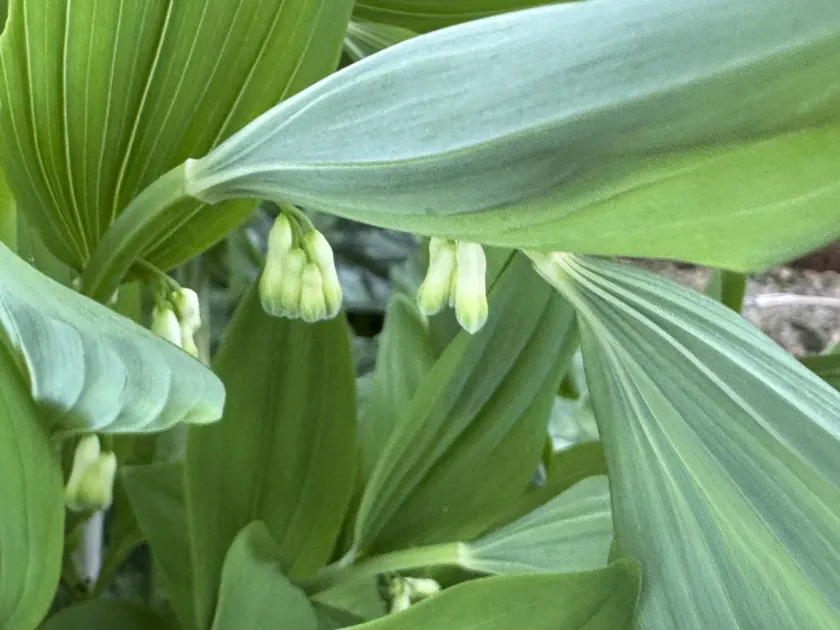
Hybrid Solomon's Seal (Polygonatum × hybridum) is a rhizomatous perennial belonging to the Asparagaceae family. This ornamental crop is a classic hybrid that combines the structural elegance of its parent species, making it a staple in landscape design.
Propagation is primarily achieved through the division of rhizomes. The optimal time for this operation is either early spring or late autumn, ensuring the plant is in a dormant state during handling.
Rhizome segments should be planted at a depth of 5 to 10 centimeters in well-drained, nutrient-rich soil. Each segment must contain at least one healthy bud to ensure successful growth in the following season.
Spacings of at least 25 centimeters are recommended to allow the plant to establish its root system properly without intense competition for soil nutrients.
While seed propagation is biologically possible, it is rarely practiced in commercial cultivation due to the complex germination requirements and the extended time required for the plant to reach maturity.
Growing requirements
This crop is naturally adapted to shade and partial shade environments. It thrives best in woodland-like conditions where it is protected from intense, direct sunlight which can scorch the foliage.
The ideal soil profile for Hybrid Solomon's Seal is a moisture-retentive, humus-rich loam. Maintaining a neutral to slightly acidic pH is beneficial for optimal nutrient uptake.
Watering requirements are consistent: the soil should remain moist but not waterlogged. Excessive moisture in the root zone can lead to rhizome rot, particularly in heavier soil types.
The plant is highly frost-tolerant and does not require special winter protection in most temperate climate zones, as the rhizomes are hardy and protected by the soil depth.
Maintenance involves annual mulching with organic matter, such as leaf mold or compost. This practice provides slow-release nutrients and helps maintain the soil moisture levels during the peak of summer.
Main diseases and pests
The Solomon's Seal sawfly is the primary insect pest associated with this crop. Its larvae feed on the foliage, often causing significant aesthetic damage by skeletonizing the leaves.
Fungal diseases, such as leaf spot, may occur if plants are overcrowded and lack sufficient airflow. Proper spacing and thinning are critical to reducing the incidence of these pathogens.
Soil-dwelling pests like wireworms can damage the underground rhizomes, leading to weak top growth and increased susceptibility to secondary infections.
Control strategies involve the use of appropriate pesticides when necessary, combined with sound cultural practices such as removing infected debris to reduce pathogen inoculum in the garden.
Vigilance in early spring is key to identifying pest activity before populations reach damaging levels. Prompt action ensures the continued health and vitality of the planting.