
Hybrid Solomon's seal
Polygonatum hybrids
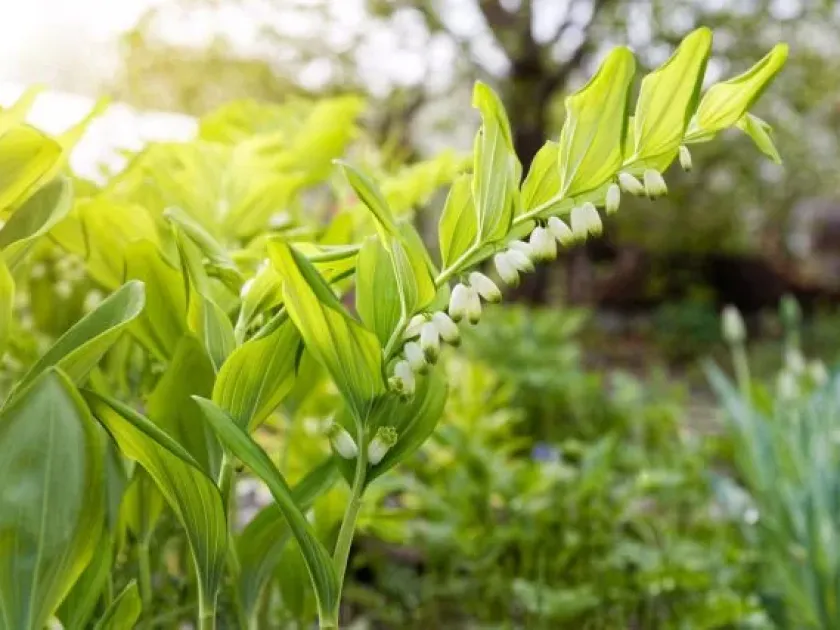
Description
Sowing dates
Propagation of hybrid Solomon's seal is primarily achieved through the division of rhizomes, as seed germination is often unreliable and slow. The most favorable timing for this operation is early spring or late autumn when the plant enters a state of dormancy.
When dividing, ensure each segment of the rhizome contains at least one healthy bud to encourage vigorous regrowth. Planting depth should be maintained between 5 and 10 centimeters, with enough spacing provided to accommodate future spread.
The choice of location is paramount for this culture; it requires a shaded or semi-shaded environment to mimic its natural woodland habitat. Direct, intense sunlight can lead to leaf scorching and significantly inhibit the plant's natural growth cycle.
Soil preparation must involve deep tilling and the incorporation of organic matter, such as compost or leaf mold, to ensure a friable and nutrient-rich substrate. This is critical for establishing a robust root system in the initial years.
Post-planting, applying a layer of organic mulch helps retain soil moisture and prevents the encroachment of competing weeds. Consistent moisture levels during the establishment phase are essential for the long-term success of the planting.
Growing requirements
Hybrid Solomon's seal belongs to the Asparagaceae family and thrives in well-drained, fertile, and humus-rich soils. The ideal soil profile for this plant ranges from slightly acidic to neutral, avoiding overly compact or clay-heavy substrates without proper drainage.
Water requirements are consistent, particularly during the active growing season. While the plant appreciates steady soil moisture, it is highly sensitive to waterlogging, which can easily trigger root rot if the drainage is insufficient.
Regarding climate, the plant is remarkably hardy and well-adapted to temperate regions, surviving cold winters without the need for additional protective cover. Its ability to thrive in shaded areas makes it a valuable asset for woodland garden aesthetics.
The morphological characteristics of the plant include graceful, arching stems and delicate, bell-shaped flowers that appear in the leaf axils. This structural elegance is its primary хозяйственное (economic) utility, making it highly prized for landscape design.
Maintenance involves providing adequate space to allow air circulation, which helps regulate the microclimate around the plant. Regular monitoring of the moisture status and soil quality ensures the plant maintains its high ornamental value throughout the season.
Main diseases and pests
The primary pests affecting Solomon's seal are sawfly larvae and various caterpillars, which can quickly defoliate the plant during the growing season. Early detection and mechanical removal are often the first line of defense for a small-scale gardener.
Slugs and snails can also pose a significant threat to young emerging shoots. Implementing barrier methods or maintaining a clean, debris-free area around the base of the plant can significantly reduce the pressure from these common garden pests.
Fungal diseases, such as leaf spot, may manifest under conditions of poor air circulation and excessive humidity. When symptoms appear, prompt removal of affected foliage is necessary to prevent the further spread of the infection within the planting.
Root rot, driven by stagnant moisture, is a persistent threat to the plant's rhizomatous structure. Ensuring that the soil remains moist but never waterlogged is the most effective preventative measure against these types of soil-borne pathogens.
Long-term plant health depends on good horticultural hygiene. By removing dead organic material at the end of the season and ensuring proper spacing between plants, growers can create an environment less favorable to the development of common pests and diseases.