
Plectranthus strigosus
Plectranthus strigosus
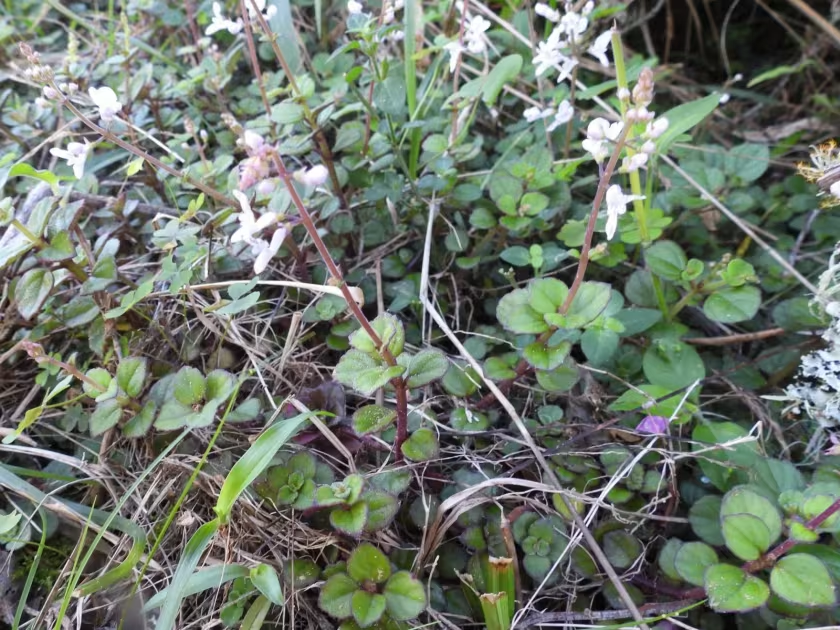
Description
Growing requirements
Plectranthus strigosus is a member of the Lamiaceae family, known for its distinct physiological properties. Originating from tropical and subtropical climates, this perennial herb is widely recognized for its aromatic foliage and adaptability to indoor and greenhouse cultivation.
The crop thrives in well-draining, nutrient-rich soil with a slightly acidic to neutral pH level. Proper drainage is the most critical factor for soil preparation, as the root system is highly susceptible to hypoxia if waterlogging occurs in the substrate.
Climate requirements for this plant include a steady, warm temperature range, ideally between 20°C and 28°C. Plectranthus is sensitive to cold stress, and temperatures below 10°C significantly inhibit metabolic processes and plant growth rates.
Lighting conditions should provide bright but filtered sunlight. Excessive exposure to intense direct solar radiation can damage leaf tissues, requiring the use of shade cloth or strategic placement in greenhouse environments during the peak of the day.
Agronomic management involves periodic pruning to encourage bushy growth and maximize leaf yield. Regular fertilization with balanced nitrogen-rich nutrients is recommended during the growing season to support the rapid development of vegetative biomass.
Main diseases and pests
Common pests include spider mites and mealybugs, which are particularly prevalent in dry indoor environments. Integrated pest management strategies, including the use of targeted biological controls, are effective in maintaining crop health.
Pathogenic threats are primarily associated with fungal diseases, such as root rot and leaf spot. These issues are typically caused by poor soil aeration and high humidity levels, making climate control and ventilation vital components of successful farm management.