
Hybrids of Plectranthus saccatus and Plectranthus hilliardiae
Hybrids between Plectranthus saccatus and Plectranthus hilliardiae
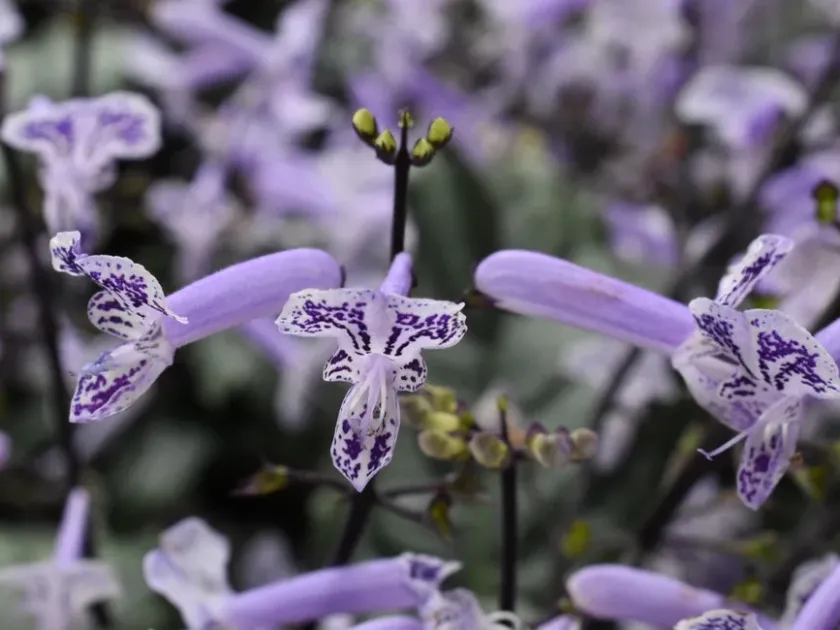
Description
Growing requirements
Hybrids derived from Plectranthus saccatus and Plectranthus hilliardiae belong to the Lamiaceae family. These plants are recognized for their robust growth habits and stunning tubular flowers, making them popular choices for container gardening and semi-shaded landscapes.
Originating from the forest margins and shaded regions of South Africa, these hybrids thrive in sheltered environments. They are well-regarded for their ability to tolerate diverse conditions while maintaining an attractive foliage display throughout the growing season.
Cultivation requires a well-draining, nutrient-rich potting mix. Consistent moisture is necessary, but the soil must never remain waterlogged. Providing a drainage layer at the bottom of the pot is an essential agronomic practice to protect the fibrous root system.
Optimal light conditions include bright, indirect light or filtered morning sunshine. Avoid placing these hybrids in harsh, direct noon sunlight, as this can lead to leaf scorching and premature wilting of the delicate foliage typical of these species.
Temperature management is critical for these plants, which prefer mild to warm environments. They should be protected from frost and sudden drops in temperature, as they are not hardy in cold climates and require indoor relocation or greenhouse protection during winter months.
Main diseases and pests
Spider mites are the most prevalent pest affecting these hybrids, particularly in low-humidity environments. These mites thrive on the underside of leaves, causing a mottled appearance and eventual leaf drop if left untreated by frequent misting or acaricide application.
Mealybugs can also pose a significant threat, hiding in leaf axils and stems. Regular inspection and the application of neem oil or insecticidal soap are effective methods for controlling infestations before they spread to healthy parts of the plant.
Root rot, caused by various species of fungi, is the primary disease risk for Plectranthus hybrids. This condition is almost always induced by improper watering practices or heavy, non-aerated soil that traps moisture around the base of the stem.
To prevent disease outbreaks, ensure proper air circulation around the plants. Pruning overcrowded branches improves airflow, which significantly reduces the humidity levels that favor the growth of powdery mildew and other fungal pathogens.
Consistent monitoring and early detection are key to successful management. By maintaining a clean growing area and isolating new plants, growers can prevent the introduction of pests and keep their collection of Plectranthus hybrids in top health.