
Plectranthus oertendahlii
Plectranthus oertendahlii T. C. E. Fr.
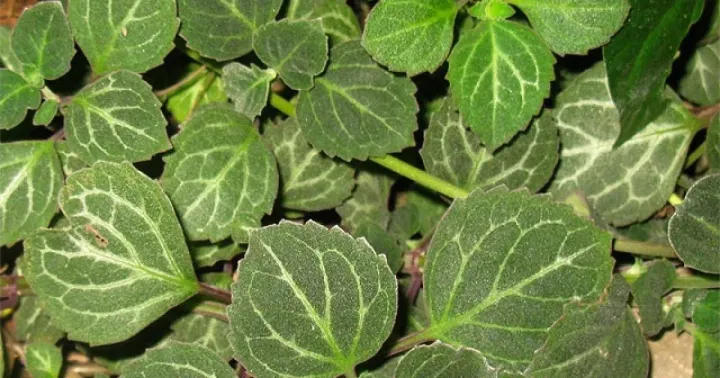
Description
Growing requirements
Plectranthus oertendahlii belongs to the Lamiaceae family and is commonly referred to as the silver-veined plectranthus. It is a perennial herbaceous plant native to the coastal regions of KwaZulu-Natal in South Africa.
This species thrives in shaded to semi-shaded environments. In agricultural and horticultural practices, it is essential to provide bright, indirect light to maintain the vibrant contrast of its silver-veined leaves.
The ideal soil substrate for this plant is well-draining, nutrient-rich, and slightly acidic. A mix of peat moss and perlite or coarse sand is recommended to promote root health and prevent oxygen deprivation in the root zone.
Climate requirements include moderate temperatures, ideally between 18°C and 24°C. The plant does not tolerate frost and requires protection from temperatures dropping below 10°C, which can cause severe cellular damage.
Regular but moderate watering is crucial. The soil should be allowed to dry slightly between irrigation events to prevent waterlogging, which is a major factor in inhibiting the plant's physiological processes.
Main diseases and pests
Spider mites are the most common pest affecting this crop, particularly in low-humidity conditions. These mites puncture the leaf cells, leading to chlorosis and potential loss of the foliage.
Mealybugs can also infest the plant, settling in the leaf axils and stems. Physical removal combined with the application of horticultural oils or insecticidal soap is effective for controlling these infestations.
Root rot caused by Pythium species is a significant threat when soil moisture is poorly managed. Prevention involves using sterile growth media and ensuring adequate drainage holes in containers.
Powdery mildew is a fungal pathogen that manifests as a white, dusty growth on leaves when air circulation is poor and humidity levels are high. Fungicide sprays should be used if cultural controls fail.
Consistent monitoring for early signs of stress or pest colonization is essential for successful plant management. Integrated pest management strategies should be prioritized to maintain the plant's health.