
Plectranthus hybrid shrub
Plectranthus fruticosus L'Her. x P. oertendahlii T. C. E. Fr.
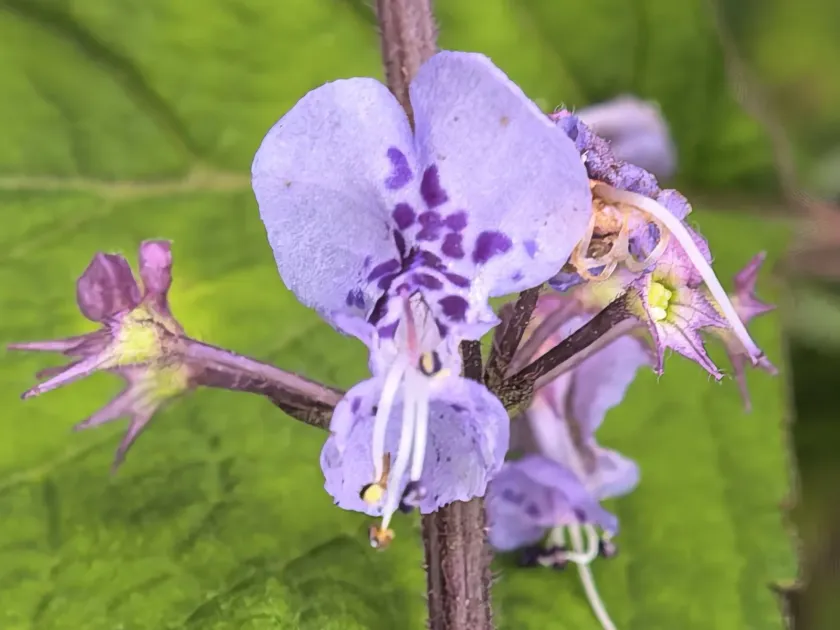
Description
Growing requirements
Plectranthus shrub hybrid is an ornamental crop belonging to the Lamiaceae family, resulting from the crossbreeding of Plectranthus fruticosus and Plectranthus oertendahlii. It is widely valued for its rapid growth rate and aesthetic foliage structure.
The plant originates from the tropical and subtropical regions of South Africa. In agricultural and horticultural practices, it is typically cultivated in greenhouses or as a container-grown ornamental plant suitable for indoor and climate-controlled environments.
Optimal development requires bright, indirect lighting. Prolonged exposure to intense direct sunlight can damage the leaf blades, so it is necessary to provide partial shade during peak sun hours when grown in open-air settings.
The crop thrives in moderate temperature ranges between 18 and 24 degrees Celsius. Consistent moisture is crucial for the health of the root system, requiring a balance where the substrate remains moist but not waterlogged, as it is highly susceptible to root decay.
For successful cultivation, the soil must be well-drained with a slightly acidic or neutral pH level. A substrate mixture containing peat, leaf mold, and horticultural sand is generally recommended to ensure adequate aeration and healthy nutrient uptake.
Main diseases and pests
Spider mites and mealybugs represent the primary pest threats to this crop. Under conditions of low humidity and poor air circulation, these pests can cause significant damage to the leaves and stems, requiring immediate treatment with specialized insecticides or acaricides.
Pathogenic fungi are the main cause of disease, particularly root rot, which often occurs due to excessive irrigation. Maintaining optimal drainage and ensuring the substrate dries slightly between waterings are the most effective preventative measures to protect the plant.