
Coleus
Plectranthus scutellarioides (L.) R. Br.
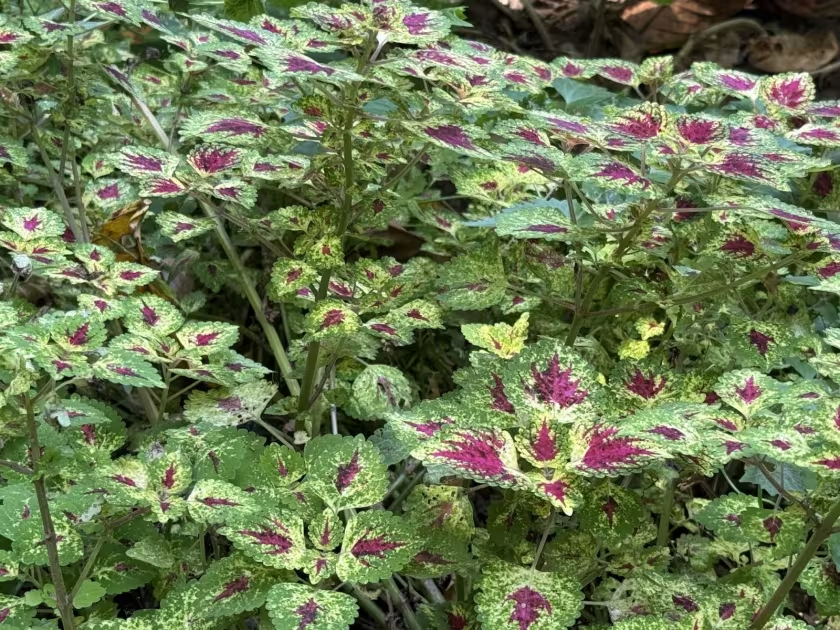
Description
Sowing dates
Coleus is primarily propagated through seeds for annual bedding, with sowing typically beginning in late winter or early spring. Seeds are sown on the surface of pre-moistened potting mix without burying, as they require light to germinate effectively.
Maintaining a constant temperature of 20–22 degrees Celsius and high humidity is essential for successful germination. Trays should be covered with plastic or glass until seedlings emerge, which usually occurs within 10 to 14 days under proper conditions.
Seedlings are pricked out into individual containers once the first pair of true leaves appears. This step allows for stronger root development and prepares the young plants for transplantation into the garden once all danger of frost has passed.
Vegetative propagation via cuttings is highly efficient for maintaining specific cultivars. Cuttings are placed in water or moist perlite and develop roots quickly, allowing for rapid expansion of the plant collection without seed variability.
Outdoor planting should occur only after soil temperatures have warmed sufficiently in late spring, ensuring the plants do not suffer from cold stress, which can severely stunt their early development.
Growing requirements
The coleus, taxonomically classified as Plectranthus scutellarioides, belongs to the Lamiaceae family. Native to tropical regions of Asia and Africa, it is grown as a frost-tender ornamental annual in most temperate agricultural zones.
Light requirements vary by cultivar, but most varieties thrive in bright, indirect sunlight to maintain their vibrant foliage colors. While some modern hybrids exhibit sun tolerance, most still prefer protection from harsh midday sun to prevent leaf scorching.
The plant requires fertile, well-draining soil with a pH level between 6.0 and 7.0. Consistent moisture levels are vital; both prolonged drought and waterlogged soil conditions will cause significant stress and potential root failure.
Temperatures should be kept between 18 and 25 degrees Celsius for optimal growth rates. Because coleus is a tropical species, it does not tolerate temperatures below 10 degrees, which will cause immediate tissue damage and decay.
Regular pinching of terminal stems is a critical agrotechnical practice to encourage lateral branching. This creates a bushy, compact form and removes flower spikes that would otherwise drain the plant's energy away from foliage production.
Main diseases and pests
Common pests affecting coleus include aphids, spider mites, and whiteflies, especially when grown in environments with low humidity. These insects feed on sap and can cause leaf yellowing and structural weakening if not controlled promptly.
Root rot, often caused by overwatering or poor soil drainage, is the most common pathology. It leads to wilting and collapse of the entire plant, making accurate irrigation scheduling and professional sanitation practices essential.
Powdery mildew is a fungal issue characterized by white, dusty spots on leaves, triggered by humid and stagnant air conditions. Improving airflow around the plants and using appropriate fungicides are the standard methods for management.
Viral infections, such as mosaic viruses, manifest as distorted and mottled leaf patterns. Since there is no cure for viral infections in plants, infected specimens must be promptly removed and disposed of to protect healthy neighbors.
Maintaining overall plant vigor through balanced nitrogen-based fertilization and proper weed control in the root zone increases the natural resistance of the plant against most common agricultural stressors.