
Plectranthus saccatus
Plectranthus saccatus benth
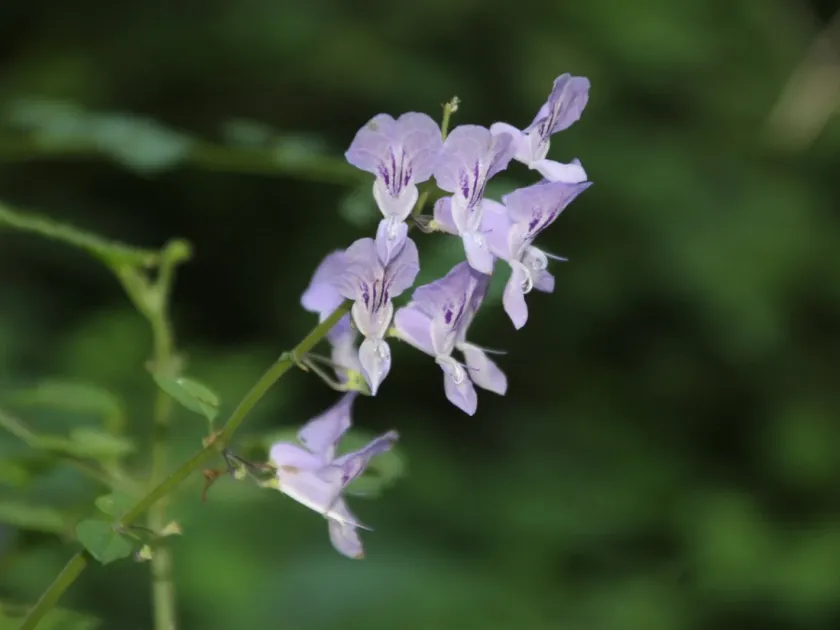
Description
Growing requirements
Plectranthus saccatus is a perennial herb or subshrub belonging to the Lamiaceae family. It is native to South Africa, where it thrives in shaded or semi-shaded areas of forests and forest margins, exhibiting vigorous growth habits.
The plant requires bright, filtered light to maintain its compact shape and lush foliage. Direct sunlight, especially during the peak of summer, can scorch the leaves and negatively affect the plant's overall aesthetic and physiological state.
Soil requirements involve a well-draining, nutrient-rich substrate. A standard mix of peat, perlite, and high-quality garden soil provides the necessary environment for healthy root development while preventing waterlogging.
Temperature management is critical for this species. It prefers a stable environment between 18 and 24 degrees Celsius and must be protected from frost at all times, making it unsuitable for outdoor cultivation in temperate climate zones.
Cultural practices include consistent watering during the growing season and occasional light pruning to encourage bushier growth. During the dormant winter period, watering should be reduced significantly to allow the plant to rest.
Main diseases and pests
The primary pests affecting Plectranthus saccatus are spider mites, especially in low-humidity environments, and mealybugs, which tend to congregate in the leaf axils, sapping the plant's vitality.
Fungal diseases, including root rot and grey mold (Botrytis), are significant threats triggered by poor air circulation and excessive moisture in the growing medium. These conditions quickly lead to tissue decay.
Effective management of these threats involves proactive monitoring for signs of infestation and the immediate application of appropriate acaricides or systemic insecticides if pests are detected.
To prevent fungal outbreaks, ensure that the plant has adequate space between other plants, avoid splashing water on the foliage, and maintain a consistent schedule for inspecting the underside of the leaves.
Correcting environmental factors, such as increasing humidity and improving drainage, is often sufficient to recover a stressed plant, provided that the damage from pests or pathogens has not yet reached a critical stage.