
Plectranthus purpuratus
Plectranthus purpuratus Harv.
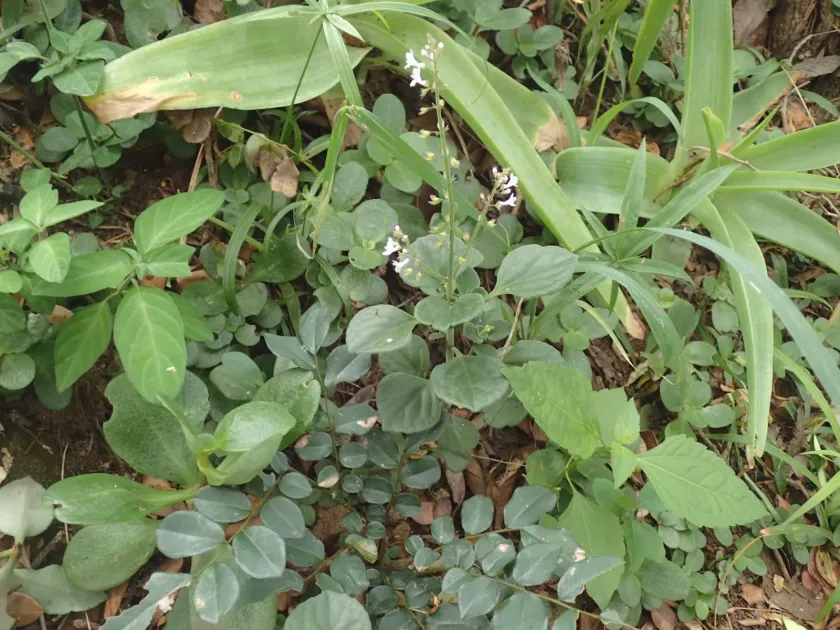
Description
Growing requirements
Plectranthus purpuratus is a perennial herbaceous species belonging to the Lamiaceae family. Originating from the diverse flora of Southern Africa, this plant has adapted to shaded forest floors, which defines its environmental requirements in cultivation.
The botanical structure of the plant features succulent-like stems and pubescent leaves often showing a deep purple hue on the underside. Its trailing growth habit makes it an excellent candidate for hanging baskets or ground cover in temperate greenhouse environments.
Climate requirements include a frost-free environment with temperatures preferably between 18°C and 24°C. While the plant can tolerate short periods of dryness, it performs best with consistent moisture and protection from harsh, direct afternoon sunlight.
Soil composition should prioritize drainage. A well-aerated mix consisting of peat moss, perlite, and organic compost is recommended to prevent waterlogging. The pH level should be slightly acidic to neutral to ensure optimal nutrient uptake for healthy foliage development.
Agrotechnical practices involve routine pruning to manage the plant's spread and encourage denser growth. Fertilization should be applied moderately during the growing season to maintain the vibrant leaf coloration without promoting overly leggy stems.
Main diseases and pests
The primary pests affecting Plectranthus purpuratus are spider mites and mealybugs, which thrive in low-humidity conditions. Early detection through regular leaf examination is the most effective management strategy for indoor collections.
Fungal pathogens such as Botrytis or root rot are common risks associated with excessive watering. Maintaining adequate airflow around the plant canopy is essential to mitigate these risks and ensure the long-term health of the crop.