
Musa velutina
Musa velutina H. Wendl. & Drude
Description
Sowing dates
Propagation of Musa velutina is most commonly achieved through seeds or by separating basal offsets. The seeds have a hard seed coat, which requires scarification to improve germination rates before sowing into a light, airy substrate.
The optimal time for sowing is early spring, allowing the plant to benefit from increasing daylight hours. Seed trays should be kept in a warm environment with temperatures between +25°C and +28°C to trigger the germination process.
Germination can be a lengthy process, often taking anywhere from one to six months, so maintaining consistent soil moisture without waterlogging is crucial for success.
When using vegetative propagation, offsets are carefully separated from the parent plant during the active growing season. This method allows for faster development of a mature plant that retains the original characteristics of the species.
For transplanting seedlings outdoors, it is essential to wait until all danger of frost has passed, as this species is highly sensitive to cold temperatures and can suffer damage from even light chills.
Growing requirements
Musa velutina belongs to the Musaceae family and is one of the more compact members of its genus, making it an excellent choice for container gardening and indoor conservatories.
The plant has specific lighting needs: it thrives in bright, indirect light but requires protection from harsh, direct midday sun, which can scorch its delicate foliage.
For healthy development, this banana requires a fertile, well-draining soil mixture with a neutral to slightly acidic pH. A thick layer of drainage material at the bottom of the pot is essential to prevent root rot.
During the active growing season, regular and thorough watering is necessary. High humidity is also important, so frequent misting of the leaves is recommended when growing the plant in an indoor environment.
Temperature management is key; the plant performs best in a range of +20°C to +30°C. During winter, it is advisable to keep temperatures above +15°C to allow for a period of dormancy.
Yield
Unlike commercial banana varieties, Musa velutina is primarily grown as an ornamental plant, although it does produce small, edible fruits.
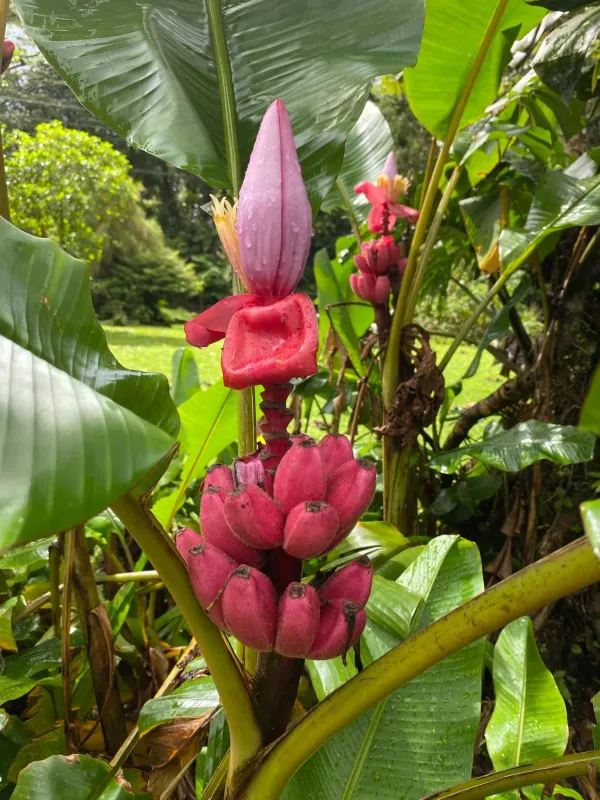
The fruits are known for their distinct pink color and velvety texture, which gives the species its common name. They contain numerous hard seeds, which limits their culinary utility compared to standard cultivars.
With proper care, the plant can reach maturity and begin flowering and fruiting quite early, sometimes within its second year, making it a favorite among exotic plant enthusiasts.
While the number of fruits per bunch is modest, they remain on the plant for an extended period, providing a beautiful decorative display for several months.
The primary use of this plant is aesthetic, serving as an attractive focal point in gardens, patios, or bright sunrooms due to its unique flowers and striking fruit display.
Main diseases and pests
The most common pests for this plant in confined growing environments include spider mites and mealybugs, which proliferate rapidly in low-humidity conditions.
To control these pests, it is recommended to regularly inspect the undersides of the leaves and apply appropriate insecticides or acaricides at the first sign of infestation.
Overwatering combined with poor air circulation can lead to root rot, which quickly compromises the plant's health by hindering nutrient uptake.
Fungal leaf diseases, such as leaf spot, are often associated with poor ventilation and sudden temperature fluctuations in an indoor setting.
Disease prevention relies on strict adherence to cultural practices, including providing adequate drainage, balanced watering, and keeping the foliage clean from dust with a damp cloth.