
Zizian hawkweed
Pilosella ziziana
Description
Sowing dates
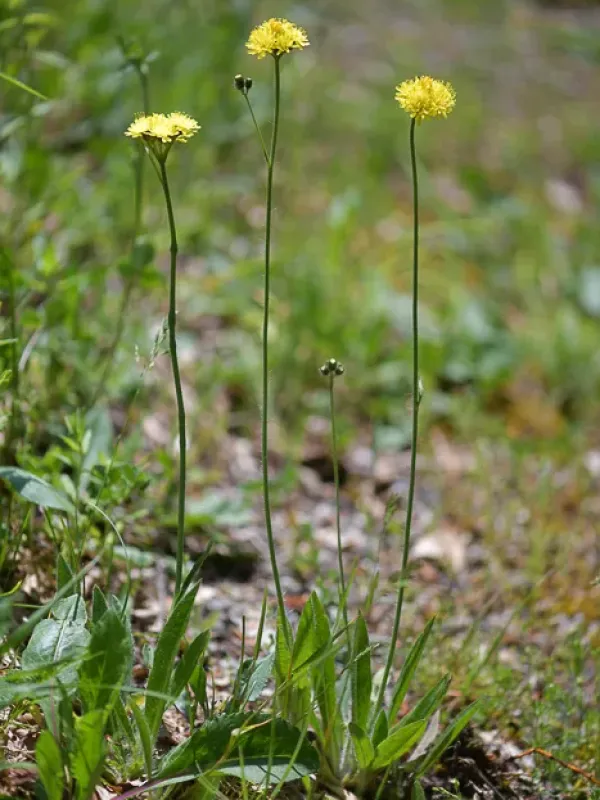
Zizian hawkweed (Pilosella ziziana) is a perennial herbaceous plant belonging to the Asteraceae family. It is characterized by basal rosettes and a creeping root system that allows it to spread effectively across suitable habitats.
Seed germination typically occurs in early spring when temperatures reach appropriate levels. In natural settings, the plant relies on wind dispersal of seeds to colonize new, disturbed ground areas.
Agricultural cultivation of this species is not standard practice, as it is primarily regarded as a wild meadow plant or an occasional weed in pastures and roadside verges.
The establishment of new plants requires mineral soil exposure, as deep litter or heavy grass cover inhibits the survival of young seedlings during the initial vegetative phase.
Growth rates are generally slow in the first year as the plant focuses on establishing a strong root system, with flowering shoots developing in subsequent seasons.
Growing requirements
This plant thrives in sunny, well-drained environments. It shows a strong preference for light, sandy, or stony soils that provide efficient drainage and rapid warming during the spring season.
Zizian hawkweed is well-adapted to nutrient-poor soils, making it an opportunistic species in areas where more demanding crops or grasses cannot thrive due to limited nitrogen levels.
Climate tolerance is quite broad; the plant is hardy and withstands the cold winters typical of the temperate zones of Europe. It is particularly drought-tolerant once established.
Exposure to direct sunlight is crucial for the survival of the species, as it lacks the competitive ability to grow in shaded forest understories or dense tallgrass prairies.
While not a commercially managed crop, understanding its ecological niche is beneficial for land management and pasture improvement strategies, especially in regions with degraded soil health.
Main diseases and pests
Zizian hawkweed can be affected by various fungal pathogens, with powdery mildew being the most common. This white coating on the leaves is especially prevalent in stagnant, humid conditions.
Rust diseases represent a significant threat to the plant's health, often leading to necrosis of the foliage and reducing the total biomass production during the growing season.
Aphid infestations are frequently observed on stems and flower buds. These sap-sucking pests not only cause physical damage but also serve as potential vectors for secondary infections.
Root damage from soil-dwelling larvae, such as click beetle larvae, can occur in agricultural settings, potentially causing patches of the plant to die off in open pastures.
Effective management in agricultural areas involves mechanical control methods such as mowing prior to seed maturity or targeted tillage to prevent the expansion of populations into crops.