
Kralik's hawkweed
Pilosella kralikii
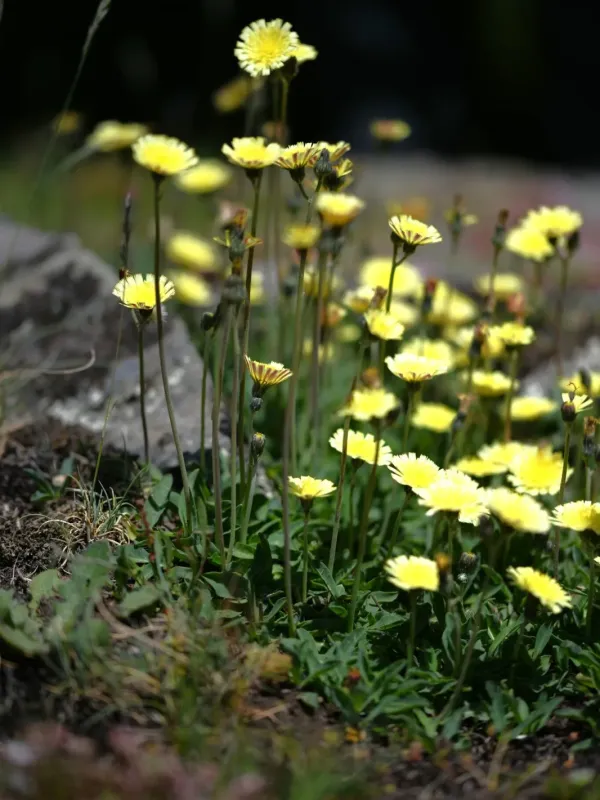
Description
Growing requirements
Kralik's hawkweed (Pilosella kralikii) is a perennial herbaceous plant belonging to the Asteraceae family. It is a specific species adapted to growing in temperate climates and open landscapes.
The culture prefers well-drained, sandy or stony soils typical of foothill regions and dry meadows. It possesses high resistance to drought periods thanks to a developed root system that efficiently utilizes moisture from the deeper layers of the soil.
For optimal development, the plant requires a sufficient amount of sunlight, as it is a light-loving species. In shaded conditions, vegetative activity is noticeably reduced, which negatively affects total biomass.
The temperature regime should be moderate. The crop demonstrates good winter hardiness in temperate regions, not requiring specific covering measures if the soil cover has sufficient drainage.
Cultivation practices require minimal intervention, as the hawkweed has high competitiveness against weeds in nutrient-poor soils where other types of grasses or legumes might be suppressed.
Yield
The commercial use of Kralik's hawkweed is limited due to its specific botanical nature. It rarely acts as a primary forage crop because of the peculiarities of its chemical composition, but it can be considered a component for the reclamation of degraded lands.
In natural conditions, the yield of green mass is moderate. The stability of obtaining plant raw materials depends heavily on the fertility of the substrate and the availability of minimal moisture during the active growth period in spring.
The seed productivity of the species is satisfactory. Reproduction is primarily through seeds, which requires monitoring of maturation periods to prevent seed shattering in field conditions.
In the framework of agro-ecological projects, the crop is valued for its ability to strengthen the topsoil and prevent erosion processes on slopes, making it an important element of biological land reclamation.
Large-scale industrial use is restricted by the need for breeding work to improve nutritional value and increase biomass output per unit area.
Main diseases and pests
The main threats to hawkweed crops are associated with fungal diseases that affect the foliage during periods of high humidity and stagnant air.
Pests typical of the Asteraceae family can damage young shoots. Among them, various types of leaf beetles and aphids are most commonly encountered, which slow down the plant's growth rates.
Competition from aggressive weeds during the first year of life is a critical factor that requires timely weeding at the plantation establishment stage.
Incorrect nitrogen fertilizer application can lead to excessive vegetative growth at the expense of root development, making the plant less resistant to the winter period.
To prevent the spread of diseases, it is recommended to observe crop rotation and avoid overcrowded plantings, ensuring constant air circulation within the plant canopy.