
Hoppe's hawkweed
Pilosella hoppeana
Description
Growing requirements
Hoppe's hawkweed (Pilosella hoppeana) is a perennial herbaceous plant belonging to the Asteraceae family. It is a resilient species that originates from the mountainous regions of Central and Southern Europe, adapted to high-altitude ecosystems.
The plant thrives in nutrient-poor, rocky, and well-drained soils. Its natural habitat includes alpine meadows and stony slopes, where it competes effectively with other low-growing vegetation due to its specialized root system.
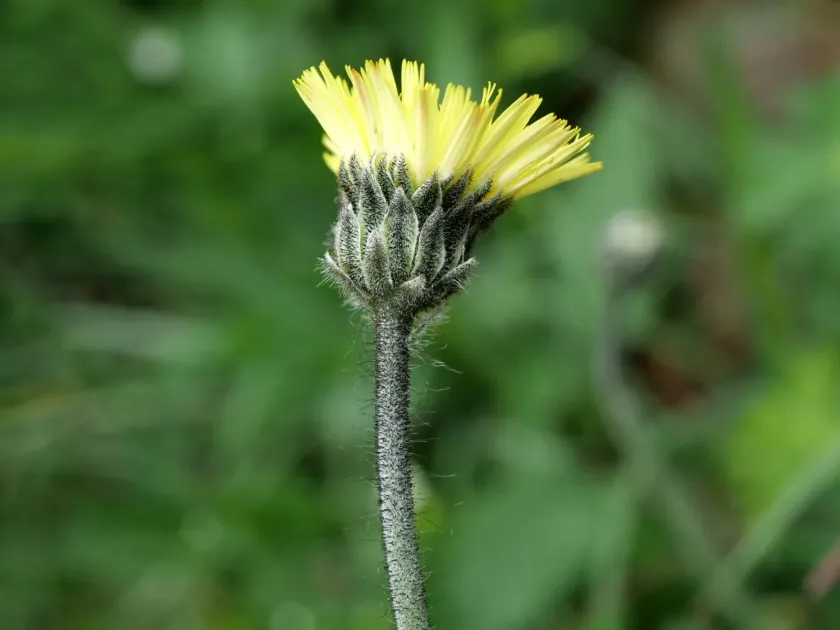
Regarding climate and soil, Pilosella hoppeana requires full sun exposure and excellent aeration. It is highly drought-tolerant, largely due to its characteristic leaf pubescence that reduces transpiration losses.
Botanically, it forms compact basal rosettes. Its yellow flowers, typical of the genus, emerge on short peduncles during the summer season. The plant's ability to propagate vegetatively makes it a robust soil binder in specific landscapes.
In agricultural and ornamental sectors, it is utilized as a groundcover for rock gardens and xeriscaping. It is also recognized for its traditional use in phytotherapy due to its specific chemical composition.
Main diseases and pests
The primary threats to Hoppe's hawkweed involve environmental imbalances, particularly excessive moisture. Root rot is the most common issue occurring when the soil remains waterlogged for extended periods.
Pests such as aphids and small caterpillars may occasionally target the foliage or flower heads. However, the plant's hairy texture often serves as a natural deterrent against many generalist insect herbivores.
Fungal pathogens like powdery mildew may appear if planting density is too high, preventing adequate airflow. Management involves spacing the plants appropriately and ensuring that the foliage stays dry.
Gastropods, including slugs and snails, can damage young plants, especially during damp spring months. Cultural controls like creating gravel barriers are usually sufficient to prevent significant population damage.
Given its rugged nature, the plant requires minimal intervention. Integrated pest management practices should focus on maintaining healthy soil structure rather than chemical application.