
Blytt's hawkweed
Pilosella blyttiana
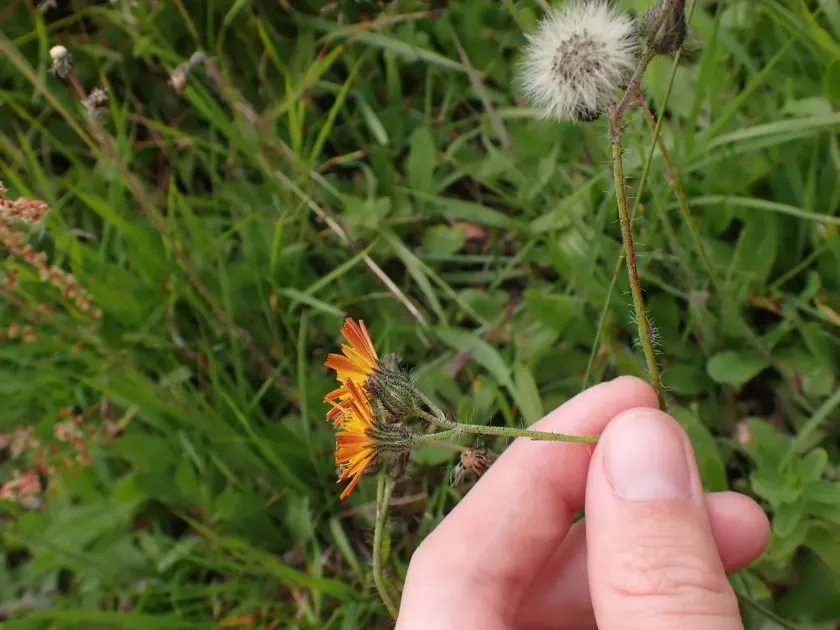
Description
Growing requirements
Blytt's hawkweed (Pilosella blyttiana) is a perennial herbaceous plant belonging to the Asteraceae family. It is primarily found in the alpine and subalpine zones of European mountain ranges, particularly in Scandinavian regions.
The plant exhibits remarkable adaptation to harsh mountainous environments, characterized by thin soils, high UV radiation, and short growing seasons. Its physiological structure is evolved to retain moisture efficiently.
Cultivation or maintenance of this species requires well-drained, rocky substrates with low nutrient concentrations, mirroring its natural high-altitude habitat conditions.
Botanically, the plant displays a rosette of leaves and hairy stems. This pubescence serves as a crucial defense mechanism against rapid transpiration caused by strong mountain winds.
While not a mainstream commercial crop, the species serves as a vital component in preserving biodiversity within alpine meadow ecosystems and stabilizing thin mountain soils.
Main diseases and pests
The primary threat to Pilosella blyttiana is the degradation of its natural habitat due to shifts in climate patterns affecting alpine zones globally.
Invasive species and rapid expansion of more competitive grasses pose a significant risk, as they effectively crowd out the slower-growing Blytt's hawkweed.
Fungal pathogens such as powdery mildew and rust fungi represent the main biological threats to the plant's leaf health, especially in seasons with excessive rainfall.
Pests like aphids and root-feeding nematodes can significantly weaken the plant's vitality, leading to reduced seed production and overall population decline.
Human activities, specifically uncontrolled livestock grazing in high-altitude pastures, cause severe physical damage to the plant colonies and the fragile soil structure.