
Pilosella glomerata
Pilosella glomerata
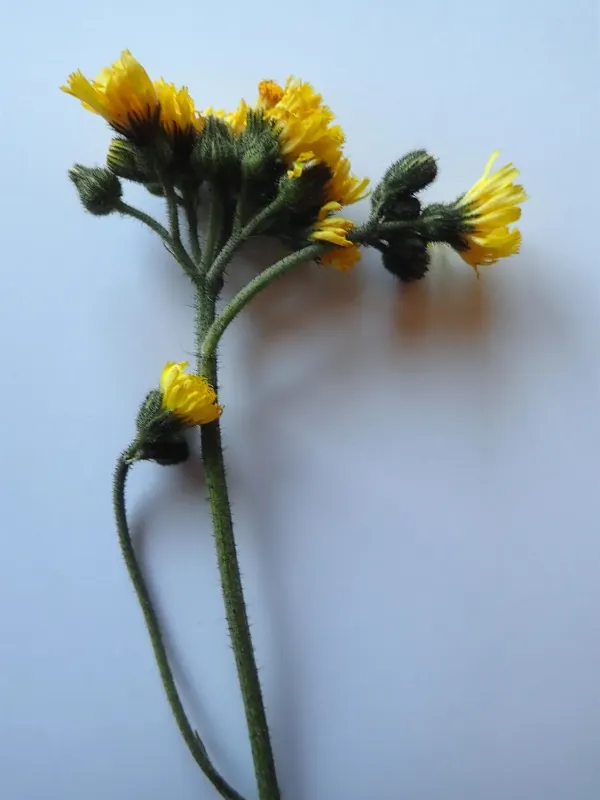
Description
Sowing dates
Pilosella glomerata, known as the clustered mouse-ear hawkweed, is a perennial herbaceous plant belonging to the Asteraceae family. In agricultural science, it is recognized for its ability to stabilize meadow ecosystems and improve soil cover in grazing areas.
Seeding is typically scheduled for early spring when soil temperatures reach 10-12°C. Because the seeds are extremely small, they require surface sowing with very light incorporation into the soil to ensure optimal moisture contact and germination rates.
This crop is often integrated into mixed-grass pastures. The combination with other perennial grasses enhances the resilience of the sward against physical damage from livestock and environmental stresses.
Fall sowing is an effective strategy for establishing permanent stands. Seedlings that overwinter as rosettes show improved early spring vigor and competitive capability against weeds.
The plant exhibits efficient vegetative propagation, allowing it to colonize bare patches in meadows naturally. This characteristic is particularly valuable for erosion control on sloping agricultural lands.
Growing requirements
Pilosella glomerata is highly adaptable to various soil conditions. It thrives in nutrient-poor, sandy, or gravelly soils where more demanding forage crops often fail to establish and produce sufficient biomass.
The plant is classified as drought-tolerant, possessing a robust root system that accesses moisture from deeper soil layers. This makes it a reliable component of pastures in regions with irregular rainfall patterns.
Optimal growth occurs in well-lit environments. Although it can tolerate partial shade, its biomass production and flowering intensity are significantly maximized under full solar exposure.
It prefers neutral to slightly acidic soil pH levels. A critical requirement for healthy development is excellent drainage, as the species is highly sensitive to prolonged waterlogging which may lead to root rot.
The species is well-adapted to moderate climates, demonstrating significant cold hardiness and the ability to withstand winter temperatures without the need for additional protection.
Yield
The economic value of Pilosella glomerata lies in its role as a stable forage source rather than a high-yield hay crop. It fills seasonal gaps in pasture production, ensuring continuous availability of greens for livestock.
Its palatability is considered moderate, making it a suitable dietary component when mixed with other grasses. The chemical composition of the plant includes various secondary metabolites that can contribute to the overall nutritional balance of grazing animals.
In managed pasture systems, the dry matter yield can range from 1.5 to 3.0 tonnes per hectare, depending on soil fertility and the frequency of grazing rotations.
One of the primary benefits is the longevity of the plant in established stands. Once settled, it provides forage for many years with minimal management input, reducing overall farm maintenance costs.
The plant's ability to maintain productivity under intensive use contributes to the economic sustainability of extensive livestock farming operations.
Main diseases and pests
Pilosella glomerata exhibits high natural resistance to many common agricultural diseases. It is generally free from severe infections of powdery mildew or typical leaf spot diseases that affect other pasture herbs.
Rust fungi may occasionally occur in areas with high humidity and poor air circulation within the stand. Regular grazing or mowing acts as a cultural control measure to mitigate these risks.
Aphids and certain types of meadow bugs represent the main pest threats, primarily attacking developing flowers and shoots. However, these rarely reach levels that require chemical intervention.
The plant produces specific bioactive compounds that naturally inhibit the germination of some weed species, effectively reducing the need for herbicide application in established meadows.
Sustainable pest management for this crop relies on maintaining optimal stand density and preventing soil compaction, ensuring that the plants remain vigorous and less susceptible to opportunistic pathogens.
Harvesting
Pasture grazing is the primary method of utilizing Pilosella glomerata. Rotational grazing schedules should be implemented to ensure the plant has sufficient time for recovery and biomass accumulation between cycles.
If harvested for fodder, the optimal timing is at the beginning of the flowering stage, which ensures the best balance between dry matter yield and nutritional quality.
Seed harvesting requires careful timing in late summer. As the seed heads mature and turn brown, they must be collected before the seeds are dispersed by wind, often requiring specialized combine settings.
Collected seeds need proper cleaning and drying to reach a standard moisture content of 12-14%. When stored in cool, dry conditions, the germination potential remains stable for up to several years.
Harvest management focuses on maintaining the root reserves of the plant. Avoiding overgrazing is crucial, as this promotes the long-term persistence and self-seeding ability of the crop in the field.