
Glacier hawkweed
Pilosella glacialis
Description
Growing requirements
Glacier hawkweed, scientifically known as Pilosella glacialis, is a perennial flowering plant belonging to the Asteraceae family. It is increasingly recognized in niche horticulture and specialized agricultural projects focused on alpine vegetation restoration.
The plant originates from the high-altitude regions of Europe, specifically the Alps. It is evolutionarily adapted to thrive in harsh, rocky environments with limited soil nutrition and high solar radiation.
For successful cultivation, the species requires excellent drainage conditions. Heavy, clay-based soils are detrimental to the plant's health as they inhibit oxygen exchange and promote root rot, which is a major limiting factor.
The ideal environment for this crop mimics its natural mountain habitat, characterized by cool temperatures, well-aerated soil, and full sun exposure. It is highly resilient to cold winters but requires protection from excessive moisture during the dormant season.
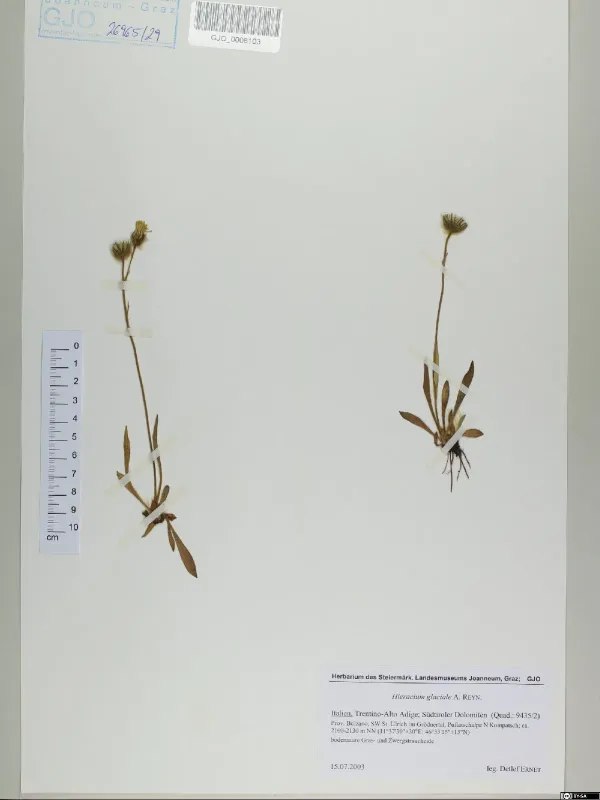
Botanically, it forms dense rosettes and short, glandular-pubescent flowering stems. Its ability to colonize sterile, rocky substrates makes it an excellent candidate for ecological engineering and slope stabilization projects.
Main diseases and pests
Fungal infections, particularly powdery mildew, pose the most significant threat to Pilosella glacialis in agricultural settings with poor air circulation.
Root system rot occurs frequently when the plants are placed in areas prone to waterlogging or high soil humidity, emphasizing the importance of site selection.
Gastropods, including slugs and snails, represent a persistent pest threat to the foliage. These pests can rapidly defoliate younger plantings, reducing photosynthetic capacity.
Infestations are rarely systemic but can lead to a general decline in vigor. Regular monitoring and the application of physical barriers are effective management strategies for small-scale production.
Maintaining a clean cultivation environment by removing necrotic plant tissues prevents the buildup of inoculum, ensuring long-term health and survival of the crop.