
Schultes' hawkweed
Pilosella schultesii
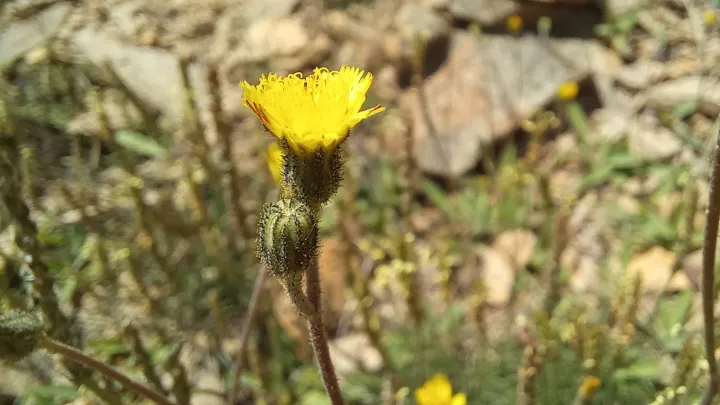
Description
Sowing dates
Schultes' hawkweed, belonging to the Asteraceae family, is a resilient perennial plant increasingly recognized in agricultural and specialized forage research. Sowing should ideally occur in early spring when soil temperatures reach stable levels suitable for germination.
The seeds are small, necessitating a fine, well-prepared seedbed. Sowing depth should be minimal, usually between 0.5 and 1 cm, to ensure adequate access to light, which is crucial for the germination of this species.
Row spacing depends on the primary goal; for biomass production, closer spacing is preferred to maximize ground coverage. Seedlings require a clean environment free from competitive weeds to establish themselves during the initial growth phase.
Uniform distribution of seeds is essential for maximizing yield and ensuring that each plant has sufficient access to nutrients. Rolling the soil after sowing helps improve seed-to-soil contact, which significantly boosts emergence rates.
Following germination, maintaining moisture in the topsoil is vital for the first few weeks. As the plants develop their root systems, they become increasingly capable of sustaining growth under varying environmental conditions.
Growing requirements
This crop thrives in well-drained, sandy to loamy soils. It demonstrates significant tolerance to nutrient-poor soils, making it an excellent candidate for marginal lands where other forage species might struggle to survive.
Schultes' hawkweed is highly drought-tolerant once established, requiring minimal supplemental irrigation even in arid regions. This trait reduces production costs and makes it a sustainable option for dryland agriculture.
The plant requires full sun exposure for optimal photosynthetic efficiency and biomass accumulation. Shaded areas should be avoided, as they negatively impact the growth rate and structural integrity of the plant stems.
Fertilization management should focus on phosphorus and potassium to enhance plant hardiness and overall health. Over-fertilization with nitrogen is generally discouraged to prevent excessive vegetative growth that may weaken the plant's resistance to cold.
Soil pH levels should ideally range between neutral and slightly acidic. If soil tests indicate high acidity, lime application can improve nutrient availability and support better development of the root network.
Main diseases and pests
Schultes' hawkweed is generally robust, but high soil moisture levels can predispose it to root rot. Proper land drainage is the most effective preventative measure against such soil-borne pathogens.
Powdery mildew may occur in conditions of high humidity or poor air circulation. Monitoring the density of the crop canopy and ensuring sufficient space between plants can help mitigate the risk of fungal infections.
Insects like aphids can occasionally affect young leaves, potentially stunting growth. Integrated pest management strategies, focusing on biological controls or targeted, timely applications, are recommended when thresholds are exceeded.
Weed management remains the most critical challenge in the first year of establishment. Mechanical weeding between rows effectively controls unwanted vegetation without the need for intensive chemical use.
Adherence to crop rotation schedules helps prevent the buildup of soil pests and pathogens. Rotating fields every few years ensures long-term soil health and sustains the productivity of the hawkweed plots.
Harvesting
The harvesting of green mass is optimal during the full flowering phase when nutrient content is at its peak. This ensures maximum forage quality for livestock consumption and higher digestibility.
Mowing should be performed at a height of 5–7 cm to preserve the plant's growing points, which is essential for rapid regrowth. This practice typically allows for multiple harvests per growing season under favorable conditions.
For seed production, harvesting is timed for when the majority of flower heads have turned dark. It is crucial to harvest promptly to avoid losses due to natural seed shattering once the heads are fully mature.
Post-harvest processing involves drying the seeds in a well-ventilated area until moisture content is around 10–12%. Proper storage conditions, such as dry and rodent-proof containers, are necessary for maintaining seed viability.
Efficient management of the harvest cycle prevents the plant from becoming too fibrous. Timely removal of the crop not only improves forage quality but also prepares the field for successful subsequent growth cycles.