
Scandinavian hawkweed
Pilosella scandinavica
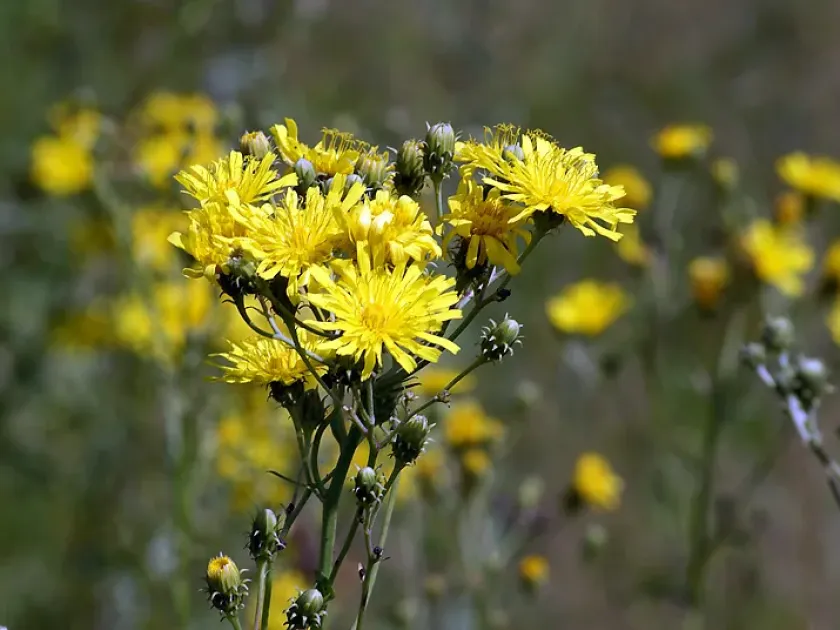
Description
Growing requirements
Scandinavian hawkweed (Pilosella scandinavica) belongs to the Asteraceae family. It is a perennial herbaceous plant characterized by a basal rosette of leaves and a single flowering stem, typical of the genus Pilosella.
Its natural habitat spans northern and central Europe, where it thrives in well-lit environments. It is commonly found in dry meadows, forest edges, and rocky slopes that offer excellent drainage and low competition from larger, more aggressive vegetation.
The crop prefers neutral to slightly acidic soils with a loose, well-drained structure. It is highly tolerant of nutrient-poor soils, which makes it suitable for ecological restoration in areas where other agricultural crops might struggle to establish.
Climate adaptation is a key feature of this species. Being a Scandinavian native, it displays significant frost resistance, allowing it to survive harsh winter conditions without specialized protection in its native range.
Regarding agricultural practices, it is essential to manage its propagation through runners (stolons). The plant requires full solar exposure to maintain its vigor and density, as shade leads to weak stems and a reduction in biomass production.
Yield
The economic utility of Scandinavian hawkweed is primarily focused on soil stabilization and environmental protection. Its dense root system acts as a biological binder, helping to prevent soil erosion on steep or unstable terrain.
While not a traditional livestock forage, its presence in meadow ecosystems contributes to the biodiversity of grazing lands. However, due to its chemical composition, it is usually avoided by livestock in favor of more palatable grasses.
Research potential exists in the pharmaceutical field. Many plants in the Pilosella genus are valued for their bioactive compounds, and Scandinavian hawkweed may offer similar properties for potential therapeutic applications.
Biomass production is modest, making it unsuitable for high-yield fodder harvesting. Cultivation for industrial purposes should be evaluated based on the specific demand for herbal extracts rather than bulk forage volumes.
Crop management focuses on optimizing growth in low-input systems. Because the plant is well-adapted to poor soil, it requires minimal fertilization, which helps keep maintenance costs low in restoration projects.
Main diseases and pests
The primary threats to Scandinavian hawkweed are fungal pathogens such as powdery mildew, which thrive in humid conditions where air circulation is restricted. Preventive thinning of stands is necessary.
Insect pests, including aphids and various coleopterans, can cause significant damage to the leaf tissue and floral parts. Regular monitoring of the plant stands is recommended to prevent mass infestations during the growing season.
Competition from aggressive, tall-growing weed species is a major challenge during the early stages of plant establishment. Keeping the area free from unwanted vegetation is crucial for ensuring the survival of the crop.
Root rot is a systemic danger when the plant is exposed to waterlogged soil. Ensuring proper soil drainage is the most effective way to prevent the development of anaerobic conditions that lead to plant decline.
To maintain healthy stands, it is advised to avoid monoculture saturation. Integrating the species into a mixed meadow landscape provides a more balanced environment that naturally mitigates the risk of pest and disease spread.