
Roth's Hawkweed
Pilosella rothiana
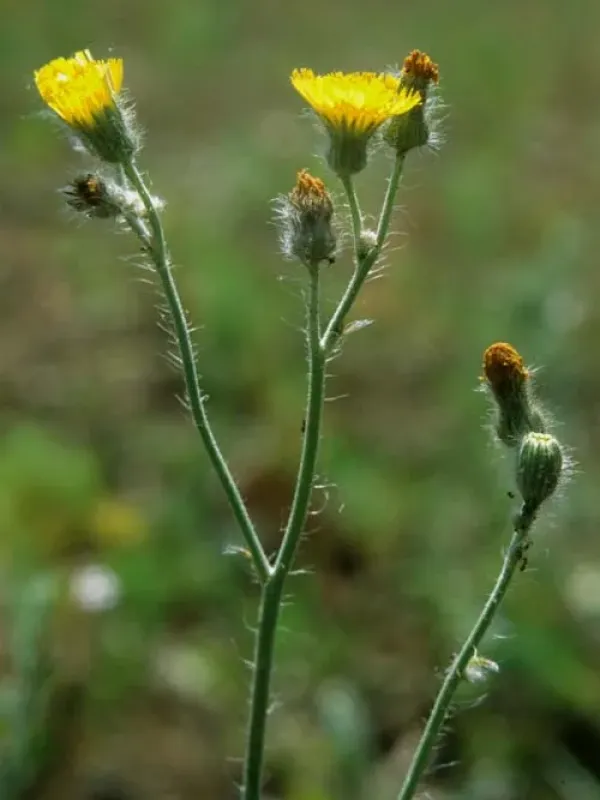
Description
Growing requirements
Roth's Hawkweed (Pilosella rothiana) is a perennial herbaceous plant belonging to the Asteraceae family. It is a known hybrid taxon that exhibits significant morphological variation depending on the local environment.
The plant is characterized by its basal rosettes and specialized stolons, which facilitate its vegetative spread. Its leaves are typically covered with dense hairs, a trait that helps the plant retain water and survive in arid conditions.
The species is well-adapted to habitats with nutrient-poor, sandy, or rocky soils. It thrives in open, sunny environments and is highly resistant to drought once it has established a strong root system.
Agrotechnically, it requires minimal intervention. Proper soil drainage is the most critical factor, as stagnant water is detrimental to the survival of the rootstock, often leading to rapid tissue decay.
This crop is primarily utilized for land reclamation, decorative ground covering, and potentially as a source of phytochemicals. Its ability to colonize difficult terrains makes it a valuable asset for soil stabilization projects.
Main diseases and pests
Powdery mildew is the most common fungal disease affecting Roth's Hawkweed. It is particularly prevalent in environments with poor air circulation and high humidity levels during the summer months.
Root rot, triggered by waterlogging, represents the primary threat to the longevity of the plants. If the soil remains overly saturated, the crown and roots are susceptible to colonization by opportunistic pathogens.
Aphids and spider mites are typical pests that can infest the foliage, particularly when the plants are stressed by drought or poor nutritional conditions. Regular inspection is necessary to manage these outbreaks.
Nematode infestations can occur in sandy soils, impacting the root health and overall vigor of the plant population. Such issues highlight the importance of site selection and prior soil preparation.
Effective management includes maintaining optimal plant spacing to promote airflow and implementing strict sanitation practices, such as removing dead leaves and monitoring plant health periodically.