
Star-flowered ninebark
Physocarpus stellatus
Description
Growing requirements
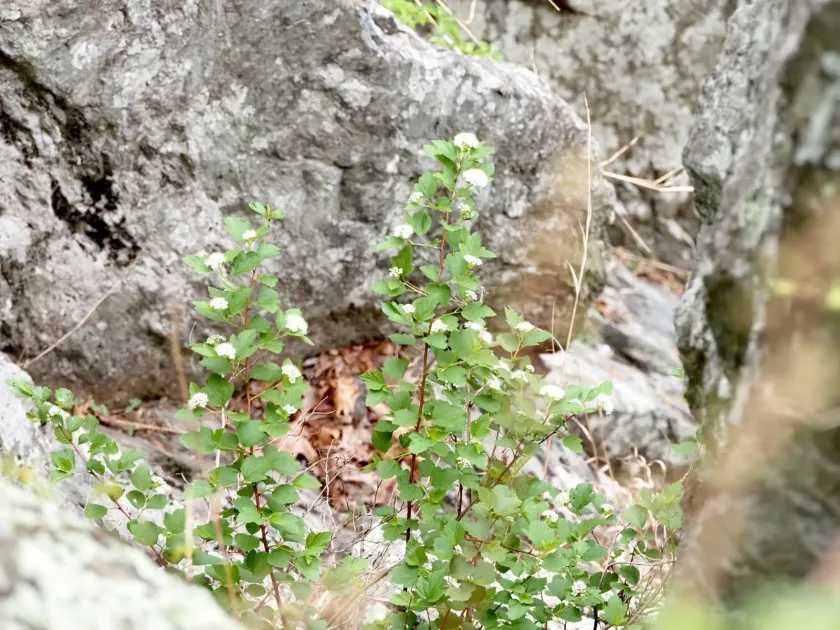
The star-flowered ninebark (Physocarpus stellatus) is a deciduous shrub belonging to the Rosaceae family. This species is recognized for its unique star-shaped flower clusters and its robust growth habit, which makes it a valuable asset for various environmental and aesthetic applications.
Originating from North American ecosystems, this plant is well-adapted to temperate climates. Its biological profile includes a sturdy root system and exfoliating bark, which provides ornamental interest throughout the year, especially during the dormant season.
The cultivation of Physocarpus stellatus requires well-drained, fertile soil. While the shrub is relatively drought-tolerant once established, providing consistent moisture during the first few years of growth is crucial for maximizing its development and structural integrity.
Sunlight exposure significantly influences the foliage color and blooming intensity of the shrub. Full sun is generally recommended to ensure the plant maintains its desired shape and dense branching, although it can tolerate light shade without losing its fundamental vigor.
Pruning is the most vital aspect of its agrotechnology. By removing old or damaged wood in early spring, growers can stimulate new growth and maintain an attractive, manageable size. This proactive maintenance routine prevents the plant from becoming woody and sparse over time.
Main diseases and pests
Common health issues for this species include powdery mildew, a fungal infection that typically appears in environments with poor air circulation. Proper spacing during planting and selective pruning to thin out dense branches are effective strategies to prevent disease outbreaks.
Pests like aphids may occasionally colonize the tender growth of the ninebark. Regular monitoring of the plant foliage, particularly in early summer, allows for early intervention using horticultural soaps or integrated pest management techniques to ensure minimal damage.