
Amur ninebark
Physocarpus amurensis
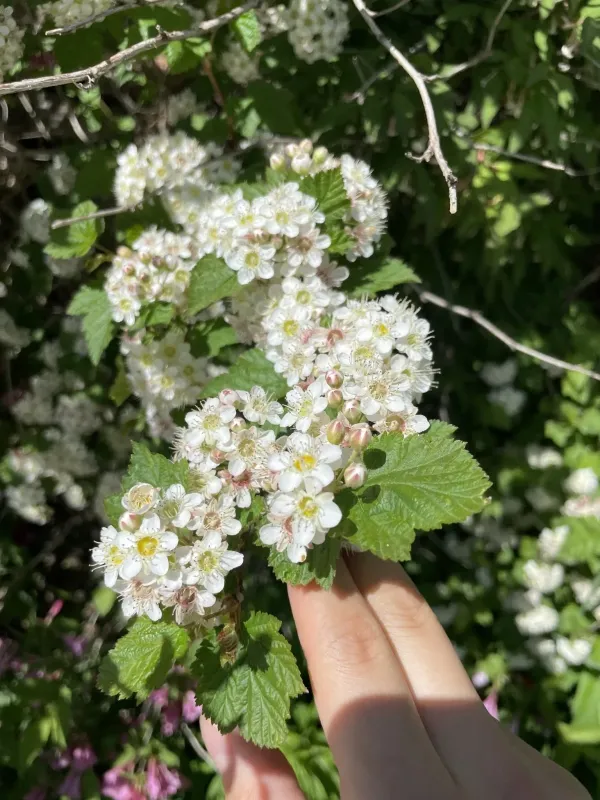
Description
Growing requirements
Amur ninebark is a deciduous ornamental shrub belonging to the Rosaceae family. It is widely recognized for its robust growth habit, exfoliating bark, and attractive foliage, making it a staple in various temperate climate landscapes.
The species originates from the regions of the Russian Far East, Korea, and Northeast China. It prefers sunny exposures, which promote dense foliage development and prolific flowering, though it can tolerate partial shade with minimal loss in vigor.
The plant thrives in well-drained, fertile soils with a pH ranging from slightly acidic to neutral. While it demonstrates significant drought tolerance once established, consistent moisture during the initial growing years ensures optimal development.
Cultural practices include periodic pruning to remove old or damaged wood, which encourages fresh growth and maintains the plant's shape. Due to its exceptional cold hardiness, it remains a reliable choice for cold-climate gardens where other species might suffer.
In terms of хозяйственного usage, this plant is primarily employed for its architectural value in landscape design, functioning well as a hedge, a screen, or a focal point. Its ability to tolerate shearing makes it highly versatile for formal and informal garden layouts.
Main diseases and pests
Disease outbreaks in Amur ninebark are relatively uncommon but generally stem from improper soil drainage, leading to root pathogens. Preventive measures should focus on maintaining adequate soil aeration and avoiding excessive moisture in the root zone.
Pest issues are usually minimal, though infestations of aphids can occur during periods of high environmental stress. Maintaining overall plant health through balanced nutrition and proper watering is usually sufficient to prevent most pest infestations without chemical intervention.