
Smooth-leaved ninebark
Physocarpus glabratus
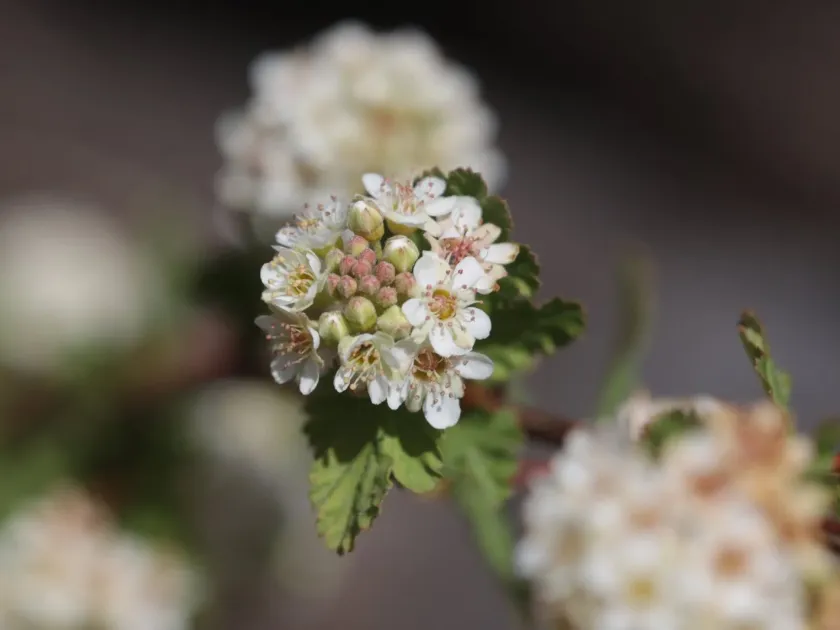
Description
Growing requirements
The smooth-leaved ninebark (Physocarpus glabratus) is a member of the Rosaceae family. Native to the mountain regions of Colorado, this deciduous shrub is well-adapted to high-altitude environments.
It thrives in well-drained soil ranging from sandy to loamy textures. While it demonstrates remarkable drought tolerance once established, it benefits from supplemental watering during prolonged dry spells to maintain maximum vigor.
Sunlight requirements are a critical factor for this species. To achieve optimal foliage density and consistent flowering, it is recommended to plant it in full sun conditions. Partial shade may be tolerated but often results in sparser growth.
The plant is highly adaptable to varied climatic conditions and is noted for its hardiness. It performs well in cooler temperate regions, showing a strong resistance to seasonal frost and low winter temperatures.
In terms of хозяйственное usage, the smooth-leaved ninebark is prized in horticultural design. It is frequently employed in xeriscaping, rock gardens, and naturalistic landscape installations where its low-maintenance profile is a significant advantage.
Main diseases and pests
The primary threats to Physocarpus glabratus are fungal diseases, with powdery mildew being the most prevalent. This usually occurs when the plant is situated in areas with poor airflow and high ambient humidity.
Pest outbreaks, specifically aphid infestations, can cause stress to the plant during the early growth stages. Integrated pest management, including the use of horticultural oils, is effective in controlling these populations.
Root rot is a potential risk in heavy, poorly draining soils. Ensuring a porous substrate and managing irrigation cycles effectively prevents the saturation of the root zone, which is critical for long-term health.
Nutritional imbalances, often appearing as interveinal chlorosis, typically indicate an alkaline soil condition or iron deficiency. Amending the soil with organic matter or appropriate fertilizers can restore the plant's natural green color.
Systematic pruning is the best preventive maintenance practice. By thinning out the canopy and removing deadwood, growers can maximize air circulation, effectively reducing the risk of fungal infections throughout the growing season.