
Mountain Ninebark
Physocarpus monogynus
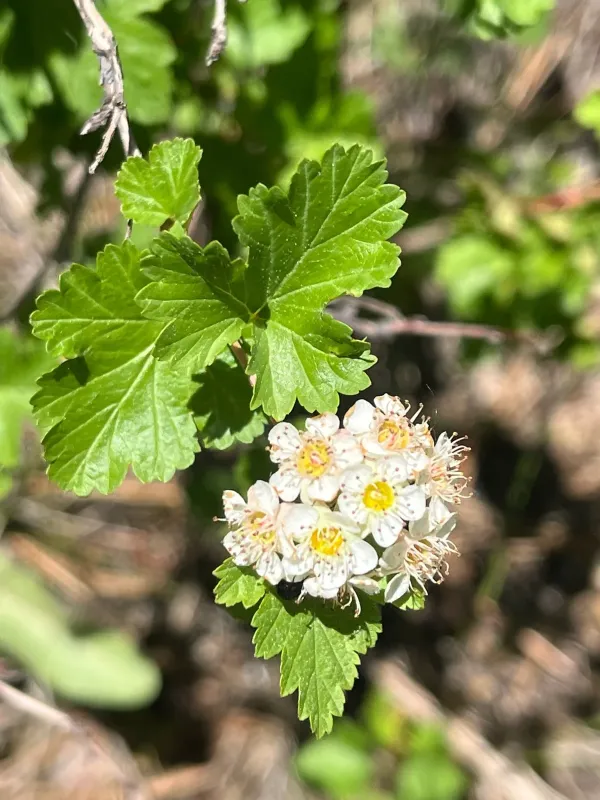
Description
Growing requirements
Mountain Ninebark, or Physocarpus monogynus, is a deciduous shrub belonging to the Rosaceae family. Native to the mountainous regions of North America, it is highly valued for its resilience and ability to thrive in challenging, rocky environments.
This species is characterized by its compact habit and exfoliating bark, which adds visual interest throughout the dormant season. It is remarkably hardy, tolerating a wide range of climatic conditions, from cool mountain air to the warmer zones of temperate regions.
Regarding soil requirements, this plant prefers well-drained, slightly acidic to neutral substrates. While it shows good drought tolerance once established, consistent moisture during the initial planting phase is crucial for developing a strong root system.
Cultural practices include strategic pruning to maintain the desired shape and promote vigorous regrowth. It is best to prune immediately after flowering to maximize the blooming potential for the following season, as the plant sets buds on older wood.
In landscape architecture, it is widely utilized for erosion control on slopes and as an ornamental component in native plant gardens. Its adaptability makes it a versatile choice for both urban environments and naturalistic plantings.
Main diseases and pests
Disease management primarily focuses on preventing fungal issues that arise in poorly drained, overly wet soil conditions. Proper site selection and spacing between plants are key strategies to improve airflow and reduce the risk of powdery mildew.
Insect pests, including aphids and spider mites, may sporadically target the foliage during periods of extreme dry weather. Integrated pest management, including regular inspection and the application of horticultural oils, is effective in maintaining plant health.