
Spiraea-leaved ninebark
Physocarpus bracteatus
Description
Growing requirements
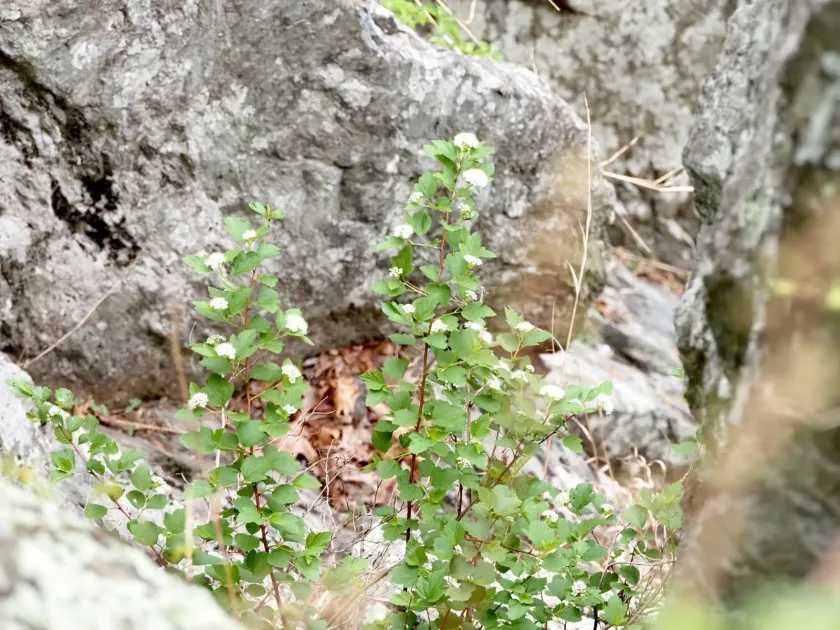
Physocarpus bracteatus, commonly known as the Spiraea-leaved ninebark, is a deciduous shrub belonging to the Rosaceae family. Native to restricted rocky regions in Colorado, USA, this plant is highly valued by botanists and gardeners for its distinct foliage and graceful form.
The shrub thrives in well-drained, fertile soil. It is particularly adaptable to rocky environments, making it a robust choice for xeriscaping or gardens where soil quality might be suboptimal. Ensuring good drainage is paramount to prevent root rot during wet seasons.
This species prefers full sun exposure to maintain its compact habit and encourage profuse flowering. While it can tolerate partial shade, insufficient sunlight often results in leggy branches and diminished ornamental value, so selecting a bright location is highly recommended.
Climate tolerance is one of the key strengths of this species. It is well-suited for temperate zones, demonstrating significant resistance to both cold winters and moderate summer heat. Once established, the root system is efficient at sourcing moisture, reducing the need for constant intervention.
Standard horticultural practices for this shrub involve regular pruning to remove dead or overlapping wood, which promotes healthier airflow and more vigorous growth. While it is naturally hardy, a layer of mulch can help conserve soil moisture and suppress unwanted weed competition.
Main diseases and pests
While generally hardy, Physocarpus bracteatus can be susceptible to common Rosaceae pathogens such as powdery mildew, especially if planted in areas with poor air circulation. Overwatering or overhead irrigation during humid weather may exacerbate these issues.
In terms of pests, aphids are the most common concern, particularly on tender new growth in the spring. Monitoring the leaves for signs of infestation and applying horticultural soaps or suitable organic insecticides is usually sufficient to manage these populations effectively.