
Mallow-leaved ninebark
Physocarpus malvaceus
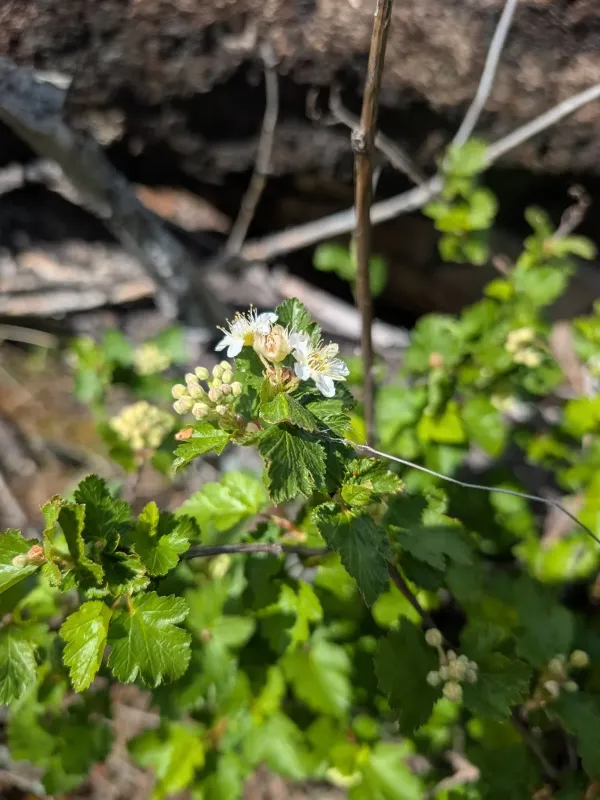
Description
Growing requirements
Mallow-leaved ninebark (Physocarpus malvaceus) is a deciduous shrub native to the western regions of North America, where it thrives in forest margins and mountainous rocky slopes. It belongs to the Rosaceae family and is highly valued for its natural hardiness.
The species requires well-drained soil conditions to perform optimally. While it is adaptable to various soil types, including slightly acidic or rocky substrates, it performs best in soils with high organic matter content and consistent moisture availability during the growing season.
This shrub is notable for its excellent cold hardiness, surviving harsh winter temperatures. Its robust root system allows it to persist in varying climates, making it a reliable choice for temperate zone landscaping and ecological restoration projects.
For best growth and flowering, the plant should be positioned in full sun to partial shade. Exposure to direct sunlight is crucial for maintaining the plant's structural integrity and preventing legginess, especially in more temperate climates.
General management includes annual pruning to remove dead wood and encourage vigorous new growth. It is a low-maintenance shrub that responds well to occasional supplemental fertilization and consistent watering during the initial stages of establishment.
Main diseases and pests
Common pathological threats include fungal pathogens such as powdery mildew, which can develop if there is poor air circulation within the shrub canopy. Proper spacing and thinning out branches can significantly mitigate these risks.
Insect pests, including aphids and leaf miners, may periodically infest the foliage. Integrated pest management strategies, such as physical removal or the application of horticultural oils, are generally effective in controlling minor infestations.