
Phoenicean juniper
Juniperus phoenicea L.
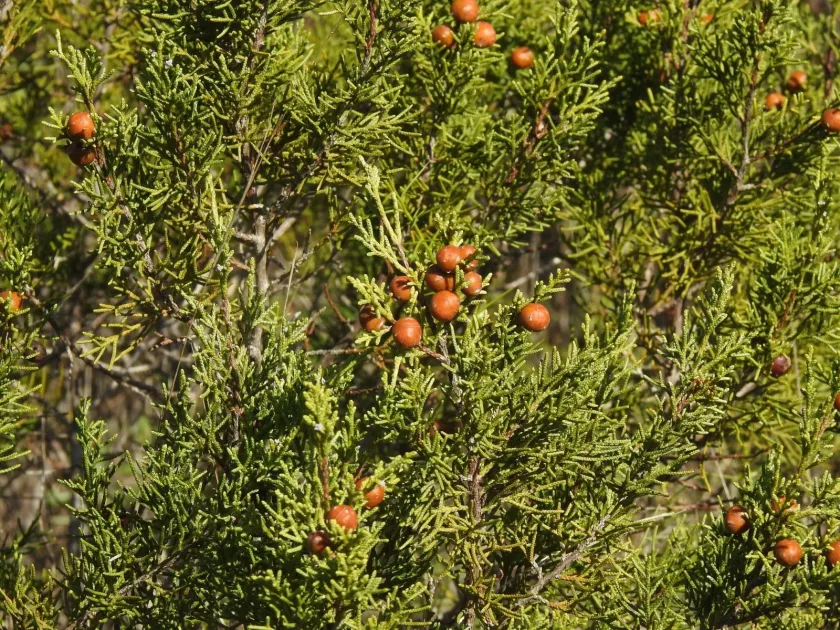
Description
Growing requirements
The Phoenicean juniper (Juniperus phoenicea L.) is a coniferous shrub or tree species belonging to the Cupressaceae family. Native to the Mediterranean region, it has adapted to harsh environmental conditions, often growing in rocky and nutrient-poor soils.
This species is highly drought-tolerant and thrives in full sun, making it an excellent candidate for xeriscaping. It prefers well-drained, alkaline, or limestone-based soils and performs poorly in heavy, waterlogged conditions where root aeration is restricted.
Climatologically, Juniperus phoenicea is well-suited to mild coastal climates. While it can survive periodic cold spells, it is not highly frost-hardy and requires protection in regions with extreme winter temperatures or heavy snow accumulation.
Agricultural management of this species involves minimal inputs. Due to its slow growth rate, intensive fertilization is rarely required and often counterproductive as it can weaken the plant's natural resistance to environmental stress.
It is valued for its ability to stabilize dunes and prevent soil erosion. Its natural hardiness makes it a sustainable choice for landscaping in coastal or arid areas where maintenance access is limited.
Main diseases and pests
The Phoenicean juniper is susceptible to various fungal diseases, particularly those affecting the foliage such as cedar-apple rust and needle cast. These conditions are exacerbated by high humidity levels and lack of proper airflow.
Insect pests, including Juniper scale insects and spider mites, can severely impact plant health. Mite infestations are particularly problematic in hot and dry weather, leading to needle discoloration and premature defoliation.
Root rot pathogens represent the most significant threat to the overall longevity of the plant. Ensuring the planting site has excellent drainage is the primary method of preventing these lethal soil-borne infections.
Bark beetles may occasionally attack weakened specimens, burrowing into the branches and disrupting nutrient transport. Monitoring for entry holes or sawdust-like frass is essential for timely intervention.
Effective pest and disease management for this species relies heavily on cultural control methods, such as selective pruning for better light penetration and ensuring correct spacing to prevent the spread of localized infections.