
Philodendron xanadu
Philodendron xanadu
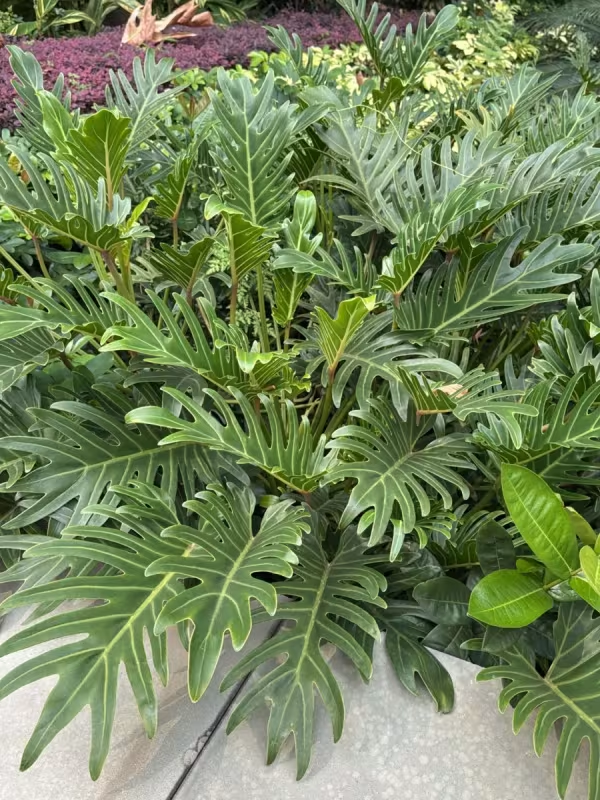
Description
Growing requirements
Philodendron xanadu is a member of the Araceae family, native to the tropical rainforests of Brazil, known for its dense, upright, and self-heading growth habit.
This crop requires a consistent temperature range between 18 and 25 degrees Celsius and thrives in environments with high humidity, typical of its natural forest floor habitat.
The plant performs best in bright, indirect sunlight; excessive exposure to direct solar radiation can damage the foliage and cause severe leaf burn during peak daylight hours.
A well-draining potting medium is critical for root health; it is recommended to use a mix of peat moss, pine bark, and perlite to maintain the necessary soil structure and aeration.
Regular irrigation is essential, ensuring that the top layer of the soil dries out slightly between waterings to prevent root asphyxiation and the development of pathogens.
Main diseases and pests
Common pests affecting Philodendron xanadu include spider mites, mealybugs, and aphids, which frequently infest plants kept in low-humidity indoor environments.
Root rot, a fungal disease often caused by overwatering or inadequate drainage, remains the most significant threat to the longevity of the plant's root system.
Regular inspection of the foliage, particularly the undersides of leaves, is necessary to catch potential infestations early and allow for efficient manual or biological intervention.
To maintain plant health, it is advised to isolate new additions to the collection and regularly clean the leaves with a damp cloth to remove dust and potential pest eggs.
In case of severe infestations or infections, the application of horticultural oils or specialized fungicides is recommended to restore the plant's vitality and prevent spread.