
Philodendron gloriosum
Philodendron gloriosum
Description
Growing requirements
Philodendron gloriosum is a notable member of the Araceae family. This terrestrial plant originates from the tropical rainforests of Colombia, where it thrives in the shady understory, characterized by high atmospheric humidity and stable temperatures.
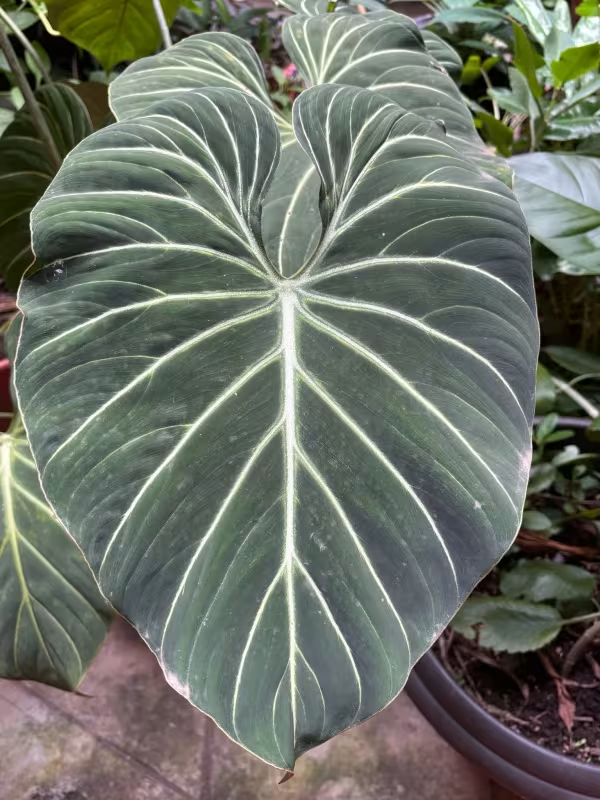
Botanically, this species is defined by its creeping rhizome that grows horizontally along the soil surface. The foliage is the plant's primary feature, showcasing large, heart-shaped leaves with a velvety texture and distinct, pale-colored veins that provide high aesthetic value.
The cultivation of this plant requires a loose, well-draining substrate rich in organic matter. A mixture containing orchid bark, perlite, sphagnum moss, and high-quality peat is recommended to maintain the necessary aeration for its creeping rhizome.
The optimal growth temperature ranges between +20°C and +25°C. Philodendron gloriosum is sensitive to cold stress and must be protected from cold drafts, which can cause significant damage to the plant's metabolic processes and leaf tissue.
Watering management is critical; the medium should be kept consistently moist but never waterlogged. High humidity (above 60%) is essential for the plant to maintain its velvety leaf structure and prevent the margins from drying out.
Main diseases and pests
Common pests affecting this culture in indoor settings include spider mites, mealybugs, and scale insects. These pests often proliferate when the ambient humidity is too low, targeting the underside of the leaves and the growth points.
Root rot is the most significant disease threat, typically caused by waterlogged soil and poor drainage systems. This condition is often fatal to the creeping rhizome, as it cannot recover once decay reaches the core tissues.
Bacterial leaf spot can occur if water sits on the leaves for prolonged periods in environments with poor air circulation. Symptoms appear as water-soaked lesions that can rapidly expand, leading to significant defoliation if left untreated.
Preventive strategies include the use of sterilized potting media, keeping foliage dry, and ensuring adequate airflow between individual specimens. Regular monitoring is essential to detect early signs of infestations before they spread across the entire collection.
Treatment involves physical removal of pests followed by the application of horticultural oils or systemic insecticides. Fungicides may be necessary if bacterial or fungal infections are identified, provided they are applied according to specific product labels.