
Heartleaf philodendron
Philodendron cordatum
Description
Growing requirements
Heartleaf philodendron (Philodendron cordatum) is a perennial evergreen plant belonging to the Araceae family. Originating from the tropical regions of Central and South America, this species thrives in humid rainforest environments, climbing tree trunks with its adventitious roots.
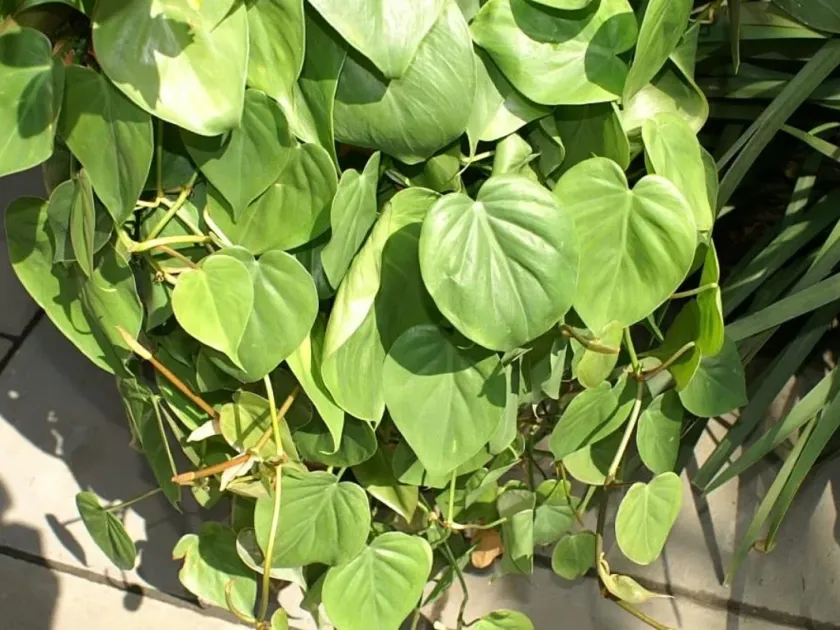
The plant is characterized by its distinct heart-shaped foliage, which is soft to the touch and vibrant green. It is widely cultivated for its high adaptability to container environments, making it a staple in the ornamental horticulture industry and professional interior landscaping.
Cultivation requirements necessitate bright, indirect light to prevent leaf scorch. The ideal temperature range is between 18 and 25 degrees Celsius. It is crucial to maintain a stable environment, as significant fluctuations can cause physiological stress and reduced growth rates.
A well-draining, nutrient-rich soil medium is essential for healthy development. A mixture consisting of peat moss, pine bark, and perlite is recommended to promote root oxygenation and prevent the accumulation of excess moisture, which the species finds detrimental.
Agrotechnical practices involve consistent but moderate watering and regular fertilization during the active growing season. The use of balanced, water-soluble fertilizers helps maintain the deep green coloration and structural integrity of the plant's heart-shaped leaves.
Main diseases and pests
The primary threats to Philodendron cordatum involve fungal pathogens triggered by poor drainage or excessive irrigation. Root rot and leaf spot diseases are common, especially when airflow around the foliage is restricted or humidity is too high without ventilation.
Pest pressures primarily include spider mites, mealybugs, and scale insects. These pests often proliferate when the plant is kept in environments with low air circulation and improper humidity levels, leading to stunted development and leaf damage.
Effective management includes regular monitoring of the underside of leaves and stems. Integrating physical removal of pests with appropriate acaricides or systemic insecticides helps in maintaining plant health within a greenhouse or nursery setting.
- Root rot (Rhizoctonia/Phytophthora)
- Spider mite infestation
- Mealybug colonization
- Scale insects
- Bacterial leaf spot
To ensure sustainable cultivation, it is advised to rotate crops and maintain strict hygiene within the growing facility. Regular maintenance of the growing media and early detection of pests are fundamental for optimal crop yield and visual quality.