
Philodendron elegans
Philodendron elegans
Description
Growing requirements
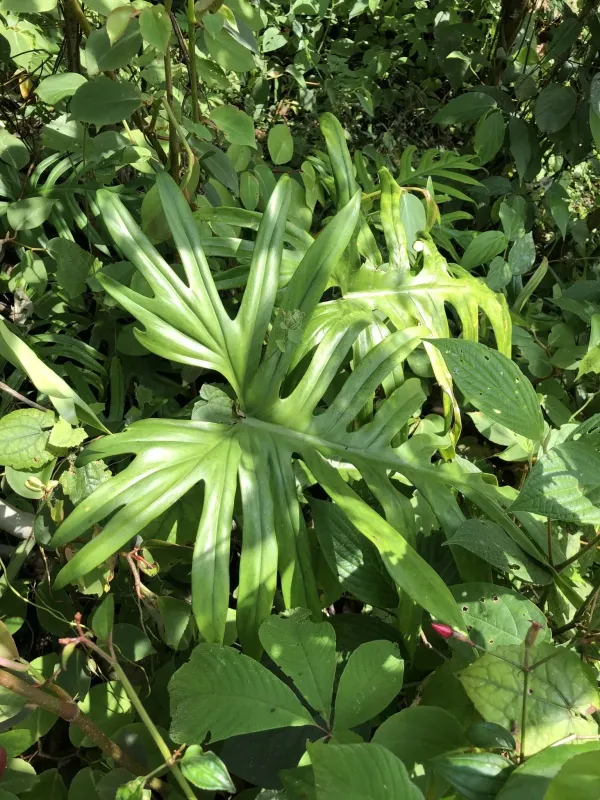
Philodendron elegans belongs to the Araceae family and is native to the tropical rainforests of Colombia. It is a highly sought-after ornamental plant known for its deeply pinnatisect, elegant foliage.
This species requires bright, indirect light to maintain its characteristic leaf shape and vibrant green color. Low light conditions often result in stunted growth and loss of the plant's unique aesthetic appeal.
The substrate must be well-draining and rich in organic matter. A mixture containing peat moss, pine bark, perlite, and coconut coir provides the aeration and moisture retention necessary for healthy root development.
Temperature should remain consistent, ideally between 20°C and 25°C. Exposure to cold drafts or temperatures below 15°C can cause significant stress, leading to foliage damage and potential physiological decline.
Watering should be managed carefully, ensuring the top layer of soil dries out slightly before re-watering. High ambient humidity is crucial for this species, as it mimics its native tropical environment.
Main diseases and pests
Spider mites are the most common pest affecting Philodendron elegans, particularly in indoor environments with low humidity levels. They feed on plant sap and cause yellowing leaves.
Mealybugs can also infest the plant, hiding in leaf axils and stems. Their presence is often identified by a white, cottony substance, which requires immediate treatment.
Root rot is a major disease risk, usually caused by overwatering or poor drainage. It presents as browning roots and a foul smell emanating from the potting soil.
To prevent disease outbreaks, it is essential to maintain proper airflow around the foliage and avoid waterlogging the growing medium at all times.
Regular maintenance, including wiping leaves with a damp cloth and early detection of pest symptoms, is critical for successful cultivation and plant longevity.