
Philodendron giganteum
Philodendron giganteum
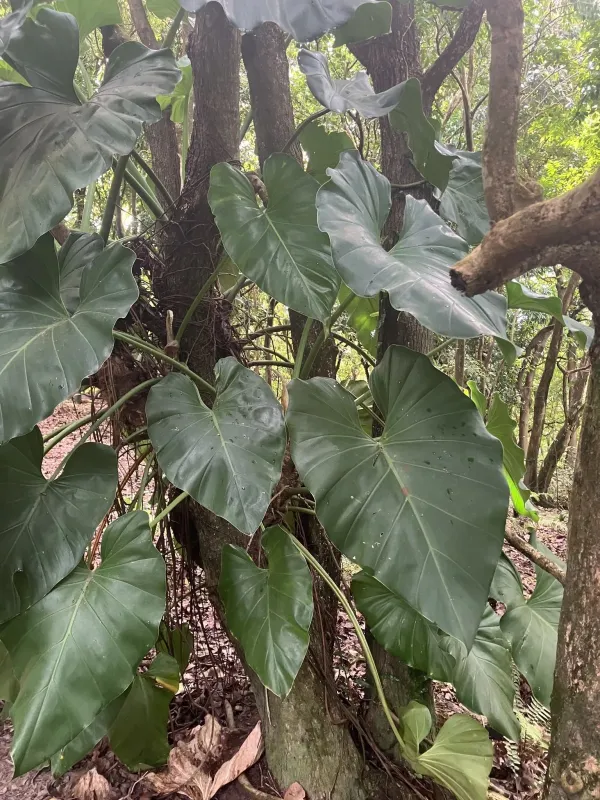
Description
Growing requirements
Philodendron giganteum is a spectacular species belonging to the Araceae family. Native to the tropical rainforests of the Caribbean and South America, it is renowned for its massive, waxy leaves that can reach impressive sizes in optimal conditions.
The culture thrives in temperatures ranging from 20°C to 28°C. It requires a stable environment without sudden fluctuations, as cold drafts can cause significant tissue damage to the broad foliage, which is the plant's main ornamental feature.
High relative humidity is essential for the healthy growth of this species. In agricultural or conservatory settings, maintaining humidity levels between 75% and 90% is critical to ensure that the large leaves develop fully without margins drying out.
Soil requirements focus on high aeration and drainage. A mixture composed of coarse peat, orchid bark, perlite, and decomposed leaf mold is ideal. This structure allows the roots to breathe while retaining just enough moisture to sustain the plant.
Light intensity should be managed carefully. While Philodendron giganteum prefers bright, filtered light, direct sunlight can scorch the foliage quickly. In greenhouse cultivation, the use of shading screens is a standard practice to manage light levels.
Main diseases and pests
Spider mites are the most common pest, especially in environments where air circulation is poor and humidity is insufficient. These pests thrive on the underside of leaves, causing yellowing and webbing if left untreated for an extended period.
Scale insects and mealybugs are also persistent threats. They attach themselves to the stems and leaf stalks, draining the plant's sap. Their presence often requires systematic chemical treatments or manual removal to prevent localized infestation.
Root rot is the primary physiological and pathological danger to the plant. It is almost exclusively caused by overwatering or using a heavy, compacted soil mix that lacks proper drainage, leading to oxygen deprivation in the root zone.
Fungal leaf spot diseases can occur if the foliage remains wet for prolonged periods during cooler temperatures. Maintaining proper spacing between plants is crucial to facilitate adequate airflow and keep the leaf surfaces relatively dry.
Integrated pest management (IPM) is highly recommended for commercial growers. This involves monitoring the plants, maintaining strict hygiene, and applying targeted, eco-friendly pesticides only when necessary to preserve the plant's vitality.