
Philodendron appendiculatum
Philodendron appendiculatum
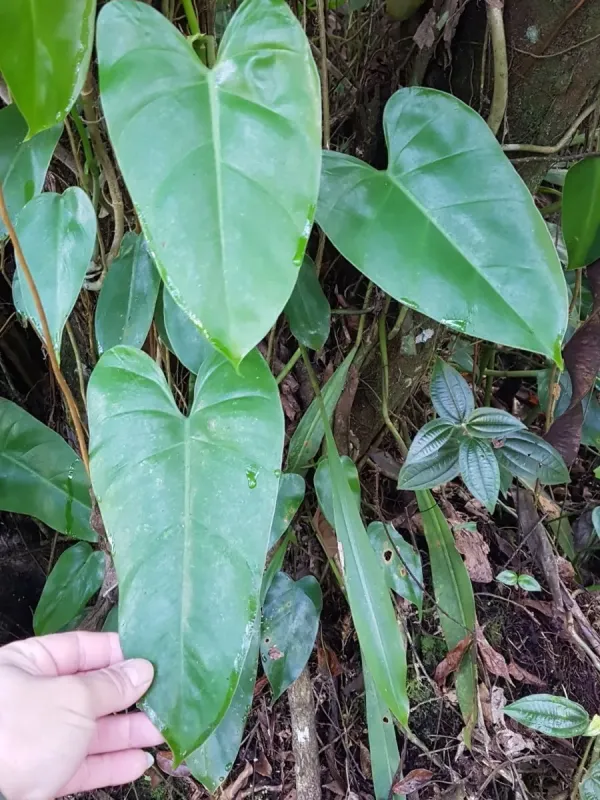
Description
Growing requirements
Philodendron appendiculatum is a distinctive species belonging to the Araceae family, native to the tropical rainforests of South America. This hemi-epiphytic plant is highly prized by collectors for its unique foliage and robust structure, which reflects its natural habitat of climbing trees in humid environments.
To cultivate this species successfully, one must maintain an environment with consistent high humidity, ideally ranging between 60% and 75%. Temperatures should be kept stable, preferably between 22°C and 26°C, as the plant is sensitive to thermal shock and cold drafts.
The potting medium must be exceptionally well-draining, mimicking the forest floor detritus. A mix consisting of orchid bark, perlite, peat moss, and activated charcoal provides the necessary porosity to ensure that roots receive oxygen while retaining adequate moisture levels.
Bright, indirect light is essential for the development of healthy, large leaves. While the plant can tolerate lower light levels, growth will significantly slow down, and the characteristic leaf shape and vigor may diminish. Artificial grow lights are recommended for regions with short winters.
Watering frequency should be determined by the moisture level of the substrate rather than a rigid schedule. The top layer of the soil should be allowed to dry out slightly before the next watering to prevent anaerobic conditions around the roots, which is vital for long-term health.
Main diseases and pests
Philodendron appendiculatum is susceptible to common houseplant pests, primarily spider mites and mealybugs. These insects thrive in indoor environments with insufficient air circulation, feeding on the nutrient-rich sap and weakening the plant's overall constitution.
Fungal pathogens, such as root rot and leaf spot, are the most significant threats to this species. These are typically triggered by overwatering or poor drainage, which creates an environment where pathogens can flourish unchecked in the damp, stagnant soil.
Integrated pest management involves regular leaf inspection and cleaning to remove dust and potential pests. If an infestation occurs, horticultural oils or insecticidal soaps should be applied thoroughly to all surfaces, including the undersides of the leaves.
Maintaining proper hygiene is the cornerstone of disease prevention for this culture. Using sterilized equipment when pruning and ensuring that the plant is not crowded by other specimens helps significantly in reducing the risk of cross-contamination and fungal spread.
Signs of distress, such as yellowing leaves or stunted growth, should be addressed immediately by inspecting the root ball. Early intervention is critical to saving the plant from advanced stages of rot or severe pest damage, ensuring the plant continues to thrive in its artificial environment.