
Philodendron alatum
Philodendron alatum
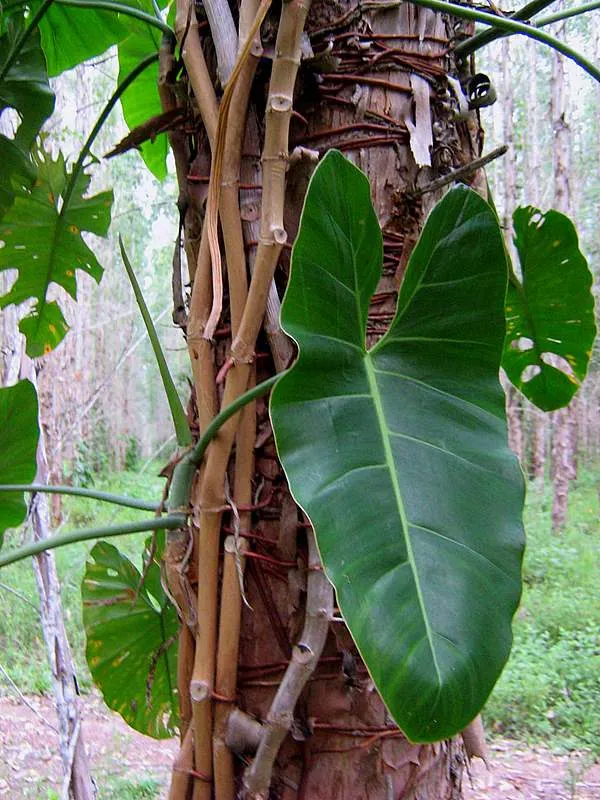
Description
Growing requirements
Philodendron alatum is a member of the Araceae family, native to the tropical rainforests of Central and South America. As an epiphyte, this plant thrives in warm, humid conditions that mimic its natural forest habitat.
The ideal temperature range for this species is between 20°C and 26°C. It is highly sensitive to sudden thermal shocks, which can cause leaf drop and cessation of apical growth, so it should be kept away from AC vents and heaters.
High humidity levels (70–80%) are crucial for the development of healthy foliage. In indoor environments, maintaining these levels is best achieved through the use of humidifiers or regular misting of the ambient air around the plant.
The root system requires a well-draining, loose substrate with a slightly acidic pH. A mix containing coconut coir, orchid bark, perlite, and a small amount of charcoal is highly recommended for optimal root aeration.
Light requirements involve bright, indirect sunlight. Direct sun exposure can scorch the leaves, causing necrotic patches, while insufficient light leads to etiolated, weak stems and significantly smaller leaf development.
Main diseases and pests
Spider mites are the most common pest found on Philodendron alatum, especially in dry air conditions. Regular inspection and cleaning of the leaves can prevent infestations, but if present, acaricides are necessary.
Root rot, caused by Pythium or Phytophthora fungi, occurs when the soil remains waterlogged for extended periods. Ensuring the pot has proper drainage is the primary defense against these pathogens.
Mealybugs tend to congregate in the axils where the leaves meet the stems. Manual removal with a cotton swab dipped in isopropyl alcohol is an effective non-toxic treatment for minor infestations.
Fungal leaf spot diseases can develop if the foliage remains wet for too long without adequate airflow. Improving ventilation in the growth area is essential for preventing the spread of spores.
Nutrient deficiency, specifically a lack of magnesium or nitrogen, can cause chlorosis. Using a balanced, water-soluble fertilizer specifically formulated for tropical aroids will help maintain robust health.