
Philodendron tripartitum
Philodendron tripartitum
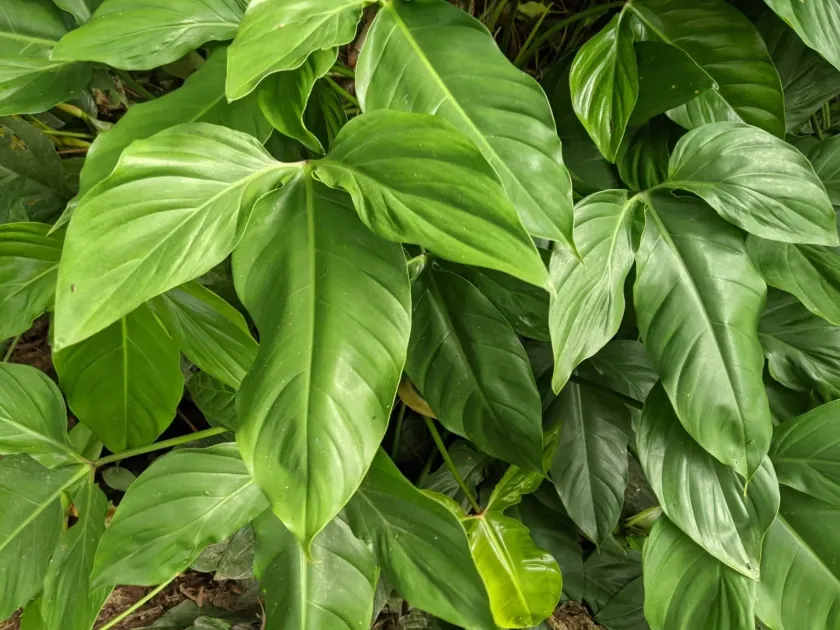
Description
Growing requirements
Philodendron tripartitum is a member of the Araceae family, known for its distinctive three-lobed leaves. It is a climbing plant native to the tropical regions of Central and South America.
This species thrives in warm, humid tropical environments. It requires a stable temperature range between 20°C and 28°C to maintain healthy growth rates throughout the year.
Soil requirements for this crop include a high-quality, well-draining substrate. A mix of peat moss, pine bark, and perlite is recommended to ensure the roots receive adequate oxygen.
It prefers bright, indirect light to facilitate photosynthesis without scorching the foliage. In lower light conditions, growth slows significantly, and the vibrant color of the leaves may fade.
Economically, Philodendron tripartitum is grown for its aesthetic value in the horticultural market. Its architectural foliage makes it a highly sought-after plant for indoor and greenhouse cultivation.
Main diseases and pests
The most common disease impacting this plant is root rot, usually caused by overwatering or soil that lacks proper drainage, leading to oxygen deprivation in the root system.
Pests like spider mites and scale insects are frequent threats to this culture. They typically thrive in dry indoor air, necessitating regular misting and cleanliness.
Fungal leaf spots can occur when air circulation is poor, especially in enclosed environments like greenhouses. Proper spacing is essential to mitigate these risks.
Mealybugs can be a stubborn pest, hiding in the junctions between petioles and stems. Mechanical removal and systemic insecticides are standard control methods.
To ensure long-term productivity, it is crucial to perform regular plant inspections. Early detection of any pest infestation or pathogen ensures the longevity and vigor of the specimen.