
Philodendron tortum
Philodendron tortum
Description
Growing requirements
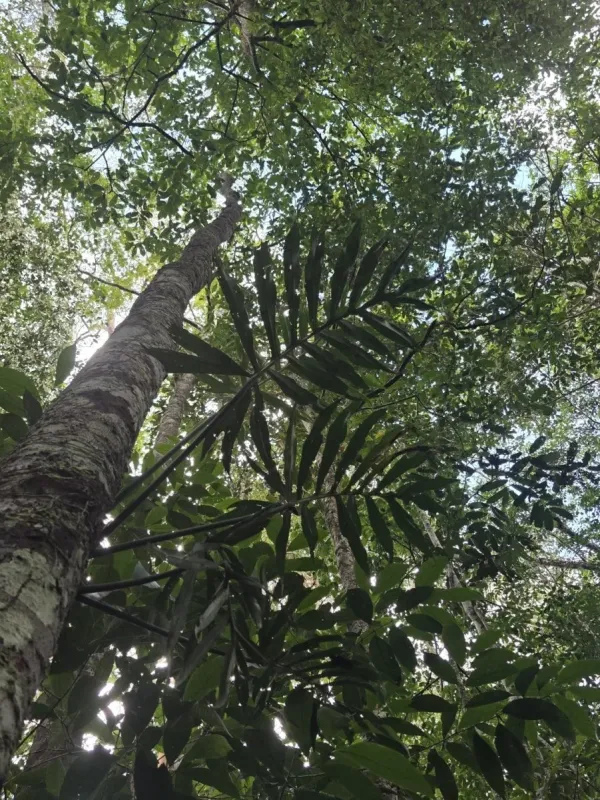
Philodendron tortum is an exotic ornamental plant belonging to the Araceae family. Known for its distinct, deeply lobed, and fern-like foliage, this species is native to the tropical rainforests of Brazil and other parts of South America.
The crop thrives in warm environments with temperatures ranging from 20 to 27 degrees Celsius. It is highly sensitive to cold drafts and rapid temperature fluctuations, which can significantly stunt its growth and cause leaf damage.
Soil requirements for this species are specific; it needs a loose, well-draining epiphytic substrate. A mix of orchid bark, perlite, sphagnum moss, and high-quality peat is recommended to provide sufficient aeration and prevent root compaction.
Lighting should be bright but indirect. Direct, intense sunlight can scorch the delicate leaf segments, while insufficient light leads to etiolation and the loss of the plant's characteristic intricate leaf pattern.
Watering management is crucial for the health of Philodendron tortum. The soil should be kept consistently moist but never waterlogged. Regular misting or the use of a humidifier is recommended to maintain the high ambient humidity levels required for optimal plant health.
Main diseases and pests
Common pests affecting the crop include spider mites, mealybugs, and scale insects. These pests often proliferate when humidity levels are inadequate, making regular environmental monitoring a key agricultural practice.
Root rot is the most common pathology, typically caused by overwatering or poor drainage. This fungal issue requires immediate reduction in irrigation frequency, pruning of damaged roots, and repotting into fresh, sterile substrate.
Leaf spot diseases, often caused by bacterial or fungal pathogens, can occur in poorly ventilated conditions. Promoting airflow around the plant helps minimize the risk of such infections during the active growing season.
Nutrient deficiencies, particularly nitrogen and magnesium, may manifest as leaf yellowing. Implementing a balanced liquid fertilization program once a month during the growing season is essential for sustaining vigorous growth.
Chemical control with systemic insecticides or fungicides should be applied according to the manufacturer's guidelines if manual removal of pests and sanitation measures are insufficient to stop an infestation.