
Philodendron selloum
Philodendron selloum
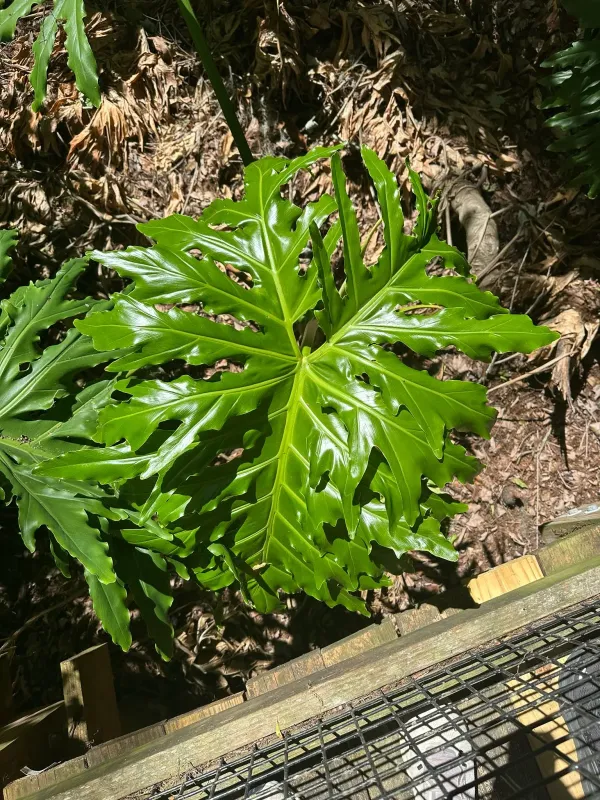
Description
Growing requirements
Philodendron selloum, taxonomically reclassified as Thaumatophyllum bipinnatifidum, is an imposing evergreen perennial belonging to the Araceae family. Originating from the tropical rainforests of South America, it has adapted to warm, humid environments with filtered sunlight.
The plant is characterized by its large, deeply lobed dark green leaves that grow from a thick, central stem. In its native habitat, it can grow as an epiphyte or a terrestrial plant, often utilizing sturdy aerial roots to support its substantial biomass.
Cultivation requires a frost-free climate, with optimal growth occurring at temperatures between 20°C and 28°C. Cold exposure below 10°C leads to immediate tissue damage and metabolic slowdown, making indoor or greenhouse cultivation necessary in non-tropical zones.
Soil requirements focus on high organic matter content and excellent drainage. A mix comprising peat moss, pine bark, and perlite ensures that the root system remains aerated while maintaining adequate moisture levels to prevent root desiccation.
Agrotechnical practices involve consistent watering schedules, ensuring the top layer of the soil dries out slightly before re-watering. Fertilization with a balanced liquid nutrient solution during the active growth season is essential for supporting the development of large leaf structures.
Main diseases and pests
Pathogenic threats are primarily associated with waterlogging, which promotes fungal infections like Phytophthora and Pythium. These pathogens attack the root system, often leading to rapid wilting and necrosis of the plant.
Common pests include spider mites (Tetranychidae), which thrive in low-humidity environments, and scale insects that infest the underside of leaves and stems.
Mealybugs are another frequent threat, often congregating in protected areas such as leaf joints and nodes where they extract phloem sap, weakening the host plant significantly.
Integrated pest management should include the periodic application of insecticidal soaps or neem oil solutions to minimize chemical reliance while effectively controlling infestations.
Cultural prevention remains the most effective strategy: maintaining optimal humidity levels and ensuring good airflow around the plant effectively mitigates the risk of both pest outbreaks and fungal disease development.