
Philodendron panduriforme
Philodendron panduriforme
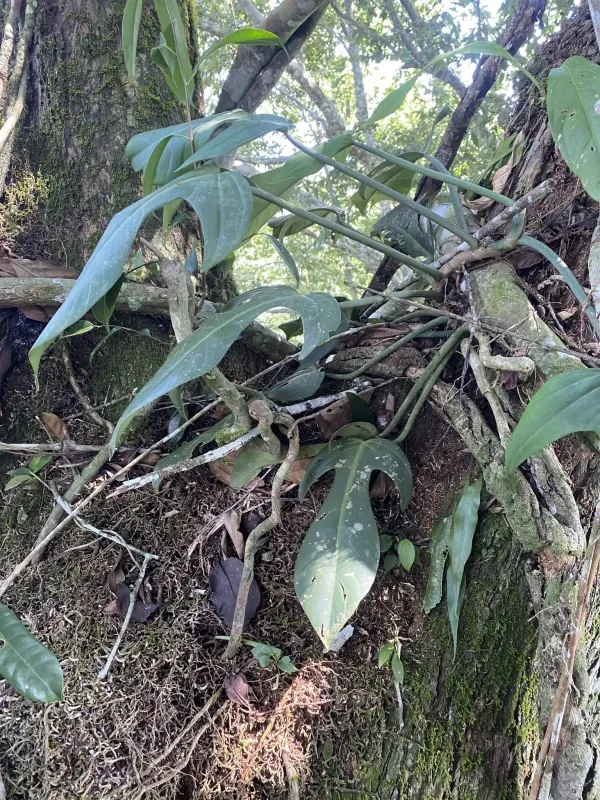
Description
Growing requirements
Philodendron panduriforme is a species of flowering plant in the Araceae family, native to the tropical rainforests of South America. Known for its unique fiddle-shaped leaves, this plant serves primarily as an ornamental species in interior landscaping.
The culture thrives in temperatures between 20°C and 25°C. It is intolerant of cold temperatures and drafts, which can cause significant damage to its lush foliage and stunt its growth significantly during the winter months.
Soil requirements involve a well-draining, airy medium rich in organic matter. A mixture consisting of sphagnum peat moss, orchid bark, and perlite provides the optimal environment for the aerial roots and main root system to breathe.
Lighting conditions should be bright and indirect. While the plant can tolerate lower light levels, it grows most vigorously when exposed to filtered sunlight, which promotes the development of its signature leaf morphology.
Humidity management is essential for Philodendron panduriforme. Regular misting, the use of pebble trays, or a humidifier is recommended to mimic the tropical environment and prevent the tips of the leaves from drying out and turning brown.
Main diseases and pests
Spider mites are the most common pests affecting this plant, especially in low-humidity conditions. These microscopic pests feed on cell sap, leading to yellow stippling on the leaves and a general decline in the plant's health.
Scale insects present a significant risk by attaching themselves to the stems and leaf veins. They are often difficult to detect until an infestation is established, appearing as small, raised brown bumps on the plant surface.
Root rot is a major physiological threat often caused by overwatering or poor soil drainage. When the roots remain in a saturated, anaerobic environment, they rapidly decay, leading to the collapse of the entire vine.
Mealybugs can often be found in the leaf axils or on the undersides of leaves. These white, cottony insects sap the energy from the plant and secrete honeydew, which can further attract secondary fungal issues like sooty mold.
Effective pest and disease management requires early detection and consistent hygiene. Isolating affected plants and using horticultural oils or systemic insecticides is the best course of action to maintain the vitality of the collection.