
Philodendron ornatum
Philodendron ornatum
Description
Growing requirements
Philodendron ornatum is a distinctive ornamental plant belonging to the Araceae family. Originating from the tropical rainforests of South America, specifically Brazil and Colombia, it has established itself as a popular specimen in horticultural trade.
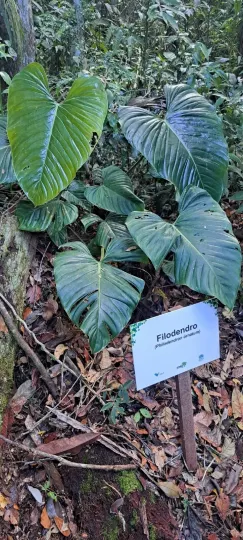
The botanical profile of this species features large, heart-shaped leaves that exhibit a brownish-pink hue in the juvenile stage, transitioning to a deep emerald green. A defining characteristic is the presence of distinctive, fuzzy scales on the petioles, which gives the plant its common name.
Agronomic requirements for this culture include a tropical climate with high humidity levels, ideally maintained between 60% and 80%. Temperatures should be kept within the range of 20°C to 27°C, as the plant is highly susceptible to chill injury and thermal stress.
Soil composition must be highly porous and rich in organic matter. A well-draining substrate comprised of peat moss, pine bark, and perlite is essential to prevent root asphyxiation and maintain an optimal balance between aeration and moisture retention.
In terms of economic utility, this species is highly valued in the greenhouse and interior landscaping industry. It serves as a premium ornamental crop, favored by collectors for its unique morphological features and its ability to thrive in controlled environments with adequate support structures.
Main diseases and pests
The primary pests affecting Philodendron ornatum include spider mites, mealybugs, and scale insects. These pests often congregate in the leaf axils, necessitating routine scouting and the application of horticultural oils or systemic insecticides when necessary.
Pathological threats are primarily linked to water management. Root rot, caused by Pythium or Phytophthora species, is a common issue in poorly draining soils. To mitigate this, growers should emphasize strict irrigation intervals and ensure the use of sterilized growing media.