
Philodendron nangaritense
Philodendron nangaritense
Description
Growing requirements
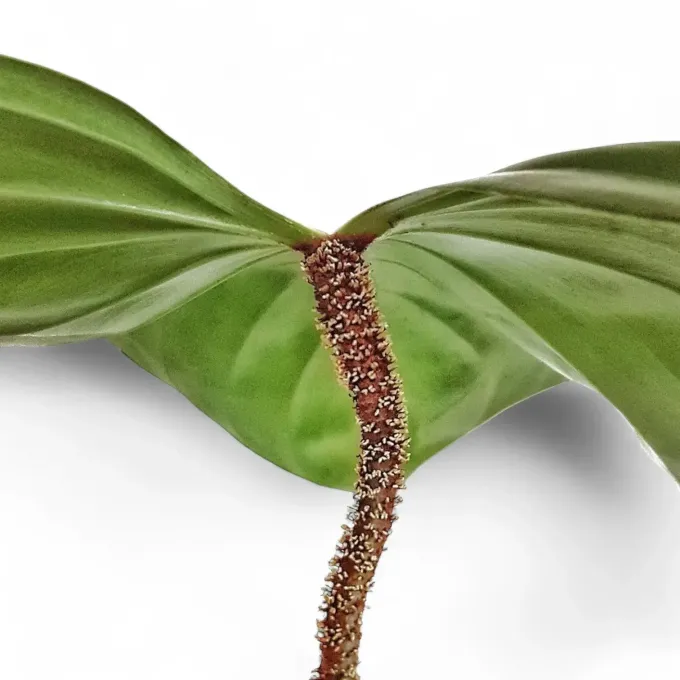
Philodendron nangaritense is an exceptional species within the Araceae family, native to the Nangaritza region of Ecuador. This plant is highly prized for its large, leathery, and deeply textured foliage, which exhibits distinct characteristics that make it a favorite among collectors of tropical flora.
To ensure optimal development, provide the plant with bright, indirect light. Intense midday sunlight can easily cause scorching on the leaves, so positioning the plant near a north or east-facing window is usually ideal for preventing leaf damage and maintaining vibrant growth.
The potting medium must be highly porous and well-draining. A mixture consisting of orchid bark, high-quality peat, perlite, and charcoal works perfectly, allowing for good root respiration while maintaining the necessary level of ambient moisture required by this epiphytic plant.
Temperature management is critical; the species thrives in a range between +20 and +26 degrees Celsius. Sudden drops in temperature or exposure to cold drafts should be avoided at all costs, as these factors can lead to stunted growth and leaf drop during the winter months.
Maintenance of high humidity levels is crucial for this philodendron. Utilizing a dedicated humidifier or grouping plants together helps create a microclimate that mimics the moist environment of its natural habitat in the Andean foothills.
Main diseases and pests
Common pests associated with this plant include spider mites and mealybugs. These organisms often thrive in drier indoor environments, so keeping an eye on the undersides of the leaves is vital for detecting early signs of infestation and preventing severe damage.
Root rot is the most frequent issue caused by improper watering techniques. Allowing the substrate to become waterlogged prevents roots from receiving oxygen, which eventually leads to tissue decay and the loss of the plant if not addressed promptly by improving drainage.
Fungal leaf spot infections can occur if moisture remains on the foliage for extended periods without adequate air circulation. Ensuring the plant is kept in a well-ventilated space helps evaporate excess moisture and significantly reduces the risk of leaf pathogens.
Sanitation practices such as cleaning the leaves with a damp cloth help in both removing dust and identifying early symptoms of pests or disease. This routine also improves the plant's ability to photosynthesize effectively by keeping the leaf stomata clear.
If chemical interventions become necessary, use systemic insecticides or fungicides specifically labeled for indoor ornamental plants. Always test a small area of the leaf first to ensure the product does not cause phytotoxicity to the delicate surface.