
Philodendron minarum
Philodendron minarum
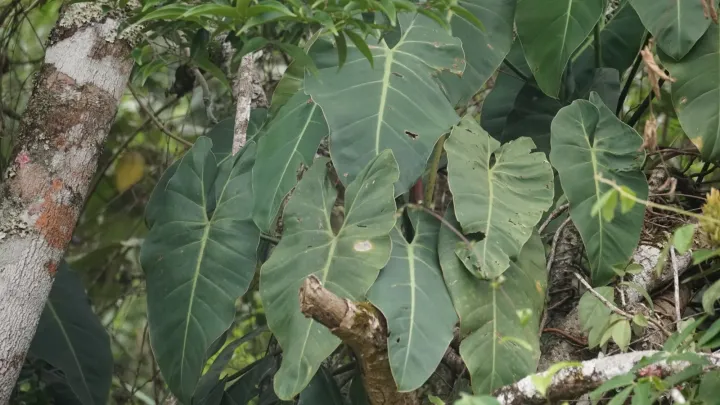
Description
Growing requirements
Philodendron minarum is a distinct species within the Araceae family, native to the tropical forests of Brazil. In professional ornamental cultivation, it is highly valued for its compact growth habit and elegant foliage, making it a sought-after specimen for conservatory and interior landscaping.
This species thrives in a warm, stable climate. The optimal temperature range for growth is between 20°C and 25°C. Exposure to sudden temperature fluctuations or cold drafts can significantly impact the plant's health and lead to slowed development or leaf damage.
Regarding soil requirements, the plant necessitates a highly aerated and well-draining substrate. A typical mix includes high-quality peat, orchid bark, perlite, and charcoal, which ensures that roots receive adequate oxygen while retaining enough moisture for healthy metabolic processes.
High humidity is essential for the successful cultivation of this species. Maintaining humidity levels between 60% and 70% is recommended. In drier indoor environments, the use of humidifiers or regular misting can help replicate its native tropical microclimate effectively.
Fertilization should be handled with care during the active growing season. Utilizing a balanced, water-soluble fertilizer at half-strength every 4–6 weeks provides sufficient nutrients for robust leaf growth without the risk of mineral buildup in the container.
Main diseases and pests
The primary threats to this culture are related to improper irrigation practices. Overwatering, particularly in poorly drained soil, creates an anaerobic environment that triggers root rot, which is the most common cause of mortality in indoor philodendron collections.
Pest pressure is another significant concern, with spider mites being the most persistent issue. These pests thrive in dry conditions and can quickly colonize the undersides of leaves, causing discoloration and eventual tissue death if left untreated.
Mealybugs and scale insects also pose a risk to the plant. These sucking insects settle in protected areas such as leaf axils, depleting the plant's energy reserves and occasionally spreading secondary fungal or viral diseases through their feeding activities.
Effective pest management involves integrated control strategies. This includes regular cleaning of leaves to prevent dust accumulation and the targeted use of systemic insecticides or horticultural oils when pest populations exceed acceptable thresholds.
Maintaining proper hygiene by removing dead or yellowing foliage is also vital. This practice reduces the available sites for fungal spores and pests to establish themselves, ensuring the overall vigor and long-term health of the Philodendron minarum specimen.