
Philodendron melinonii
Philodendron melinonii
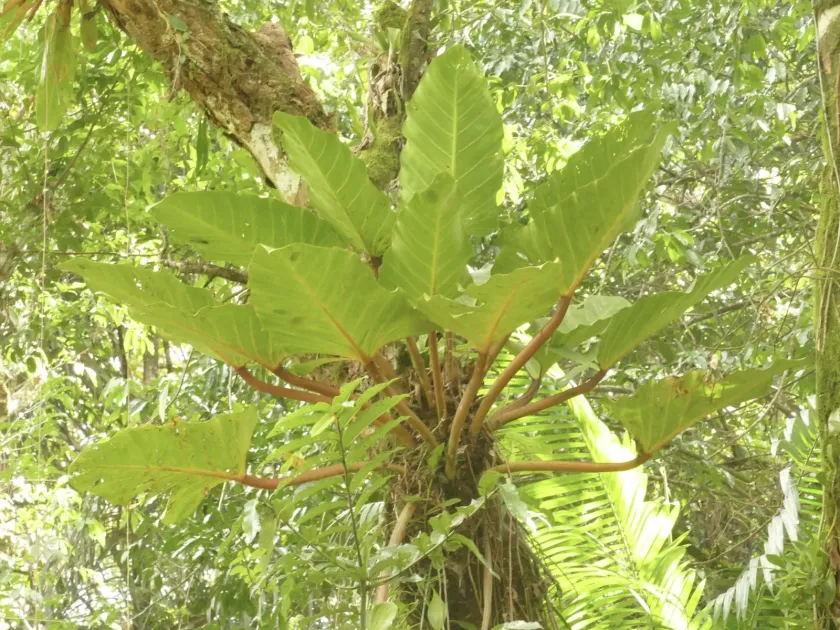
Description
Growing requirements
Philodendron melinonii is a robust member of the Araceae family, native to the tropical rainforests of South America, specifically French Guiana. It is characterized by its large, sturdy rosette of leaves and typically epiphytic growth habit.
For successful cultivation, this species requires a warm environment with temperatures consistently between 20 and 25 degrees Celsius. It thrives in high-humidity conditions, ideally mimicking the natural canopy environment where it originates.
Bright, indirect light is essential for the healthy development of this plant. Too much shade leads to leggy growth, while direct sun exposure can severely scorch the large foliage, reducing the plant's ornamental value.
The potting medium must be well-draining yet moisture-retentive. A mix consisting of orchid bark, peat moss, and perlite is highly recommended to ensure proper aeration and prevent root compaction over time.
Regular maintenance involves checking the moisture levels of the substrate. Watering should be performed when the top inch of the soil feels dry to the touch, ensuring excess water is discarded to prevent stagnant water.
Main diseases and pests
The primary pests affecting Philodendron melinonii include spider mites and mealybugs. These organisms thrive in dry air, so maintaining proper humidity levels is a key preventative measure for all indoor growers.
Root rot is the most common disease, usually caused by overwatering or poor drainage. Once established, it can quickly weaken the plant, making it susceptible to secondary infections by pathogenic bacteria.
Fungal leaf spot diseases may occur if the foliage remains wet for extended periods in a poorly ventilated area. Proper spacing between plants and good air circulation are vital to prevent the spread of fungal spores.
Effective pest management often includes the use of neem oil or insecticidal soaps, which are safer alternatives for indoor environments compared to harsh chemical treatments.
Always inspect new additions to your collection for signs of infestation before placing them near your established Philodendron plants. Early detection is the most effective strategy for managing any potential health issues.