
Philodendron melanochrysum
Philodendron melanochrysum
Description
Growing requirements
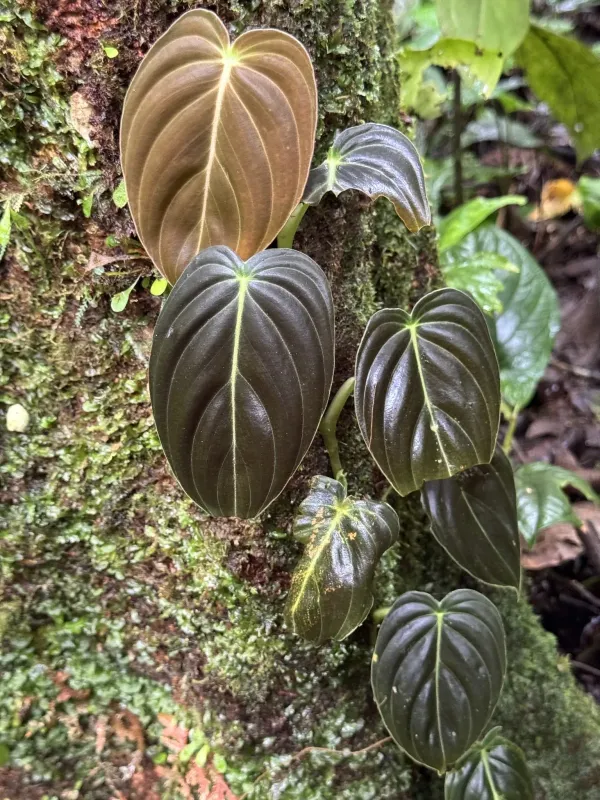
Philodendron melanochrysum, often called the velvet-leaf philodendron, is a prized species within the Araceae family. Originating from the tropical rainforests of Colombia and Costa Rica, this vining plant is botanically recognized for its dark, velvety, heart-shaped leaves.
Cultivation of this species requires a stable environment with bright, indirect light. Intense, direct sunlight can scorch the delicate foliage, while insufficient light leads to leggy growth and smaller leaves, detracting from the plant's ornamental value.
The ideal temperature for active growth ranges between 20°C and 26°C. Being a tropical plant, it is highly sensitive to cold drafts and temperatures below 15°C, which can cause significant physiological stress and leaf drop.
Humidity is paramount for successful cultivation. Maintaining ambient humidity levels of 60% or higher is recommended to preserve the plant's aesthetic appeal and promote healthy development of new foliage.
The substrate must be highly aerated and well-draining. A typical potting mix consists of
- sphagnum moss
- orchid bark
- perlite
- coir
Main diseases and pests
The most common pests affecting this crop include spider mites, mealybugs, and scale insects. These pests thrive in dry conditions and can quickly compromise the plant's health by sap-sucking, which leads to yellowing leaves.
Root rot is the most prevalent disease, caused primarily by poor drainage or overwatering. Maintaining the balance between moisture and oxygen in the root zone is the most effective preventative measure against pathogenic soil fungi.
Leaf spot diseases, often caused by bacterial or fungal pathogens, appear as dark, water-soaked lesions. Management involves removing infected leaves and applying appropriate copper-based or systemic fungicides to prevent further spread.
Pest management should focus on early detection. Regularly inspecting the undersides of the leaves and nodes where pests tend to hide allows for manual removal, which is often sufficient if the infestation is caught in its early stages.
General hygiene, such as avoiding water contact on leaves during the night and ensuring good airflow, is critical for disease suppression. Maintaining a clean growing environment prevents the buildup of pathogens and ensures the long-term vitality of the philodendron.