
Philodendron Manda
Philodendron mandaianum
Description
Growing requirements
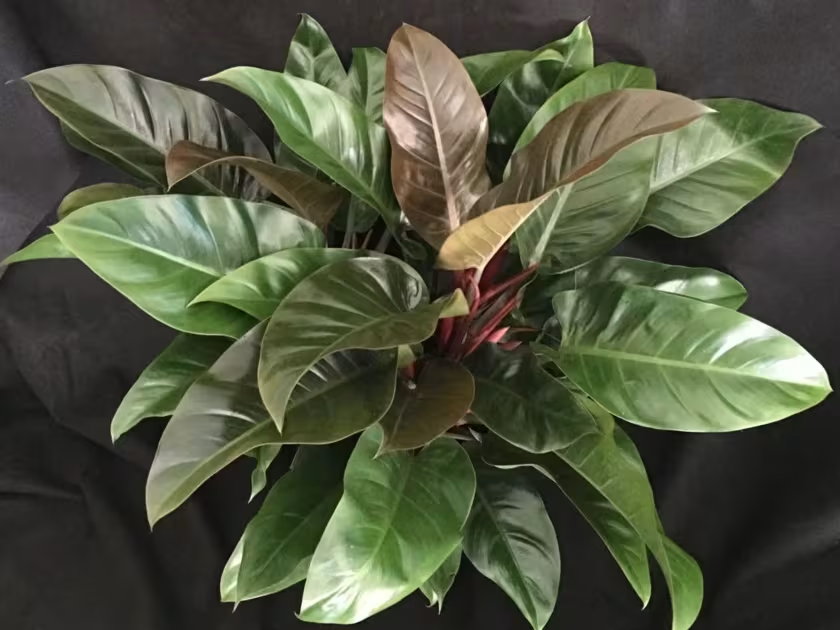
Philodendron Manda (Philodendron mandaianum) is a decorative foliage plant belonging to the Araceae family. This hybrid is highly prized in horticulture for its compact growth habit and glossy leaves with distinctive reddish petioles, which add significant aesthetic value to indoor environments.
Originally native to the tropical forests of Central and South America, this plant is adapted to the humid conditions of forest understories. In agricultural and horticultural settings, it requires bright, indirect light; direct exposure to solar radiation will lead to leaf scorching and loss of vigor.
The ideal temperature range for maintaining optimal physiological activity is between +20°C and +25°C. It is essential to maintain consistent temperatures and shield the plant from cold drafts, which are common causes of environmental stress in temperate climate regions.
The substrate must be well-draining and nutrient-rich, mimicking the organic-heavy floor of tropical habitats. A professional mix should typically include peat moss, perlite, and coarse bark to ensure adequate aeration and prevent the root system from becoming waterlogged.
Watering protocols should strictly follow the moisture level of the top layer of the substrate; it should be allowed to dry slightly between watering cycles. Maintaining high ambient humidity is crucial, especially in controlled environments, to prevent the browning of leaf tips.
Main diseases and pests
The primary pests affecting Philodendron Manda are spider mites and scale insects, which thrive in environments where humidity levels are inadequately maintained. Monitoring the underside of the foliage is a fundamental step for early pest detection.
Root rot, a common fungal disease, is almost exclusively caused by overwatering or poor drainage systems in the containers. Preventive measures involve using high-quality porous pots and ensuring that excess water can freely drain away from the root ball.
If pathogens are identified, it is necessary to reduce irrigation immediately and, if necessary, transplant the specimen into fresh, sterilized soil. Chemical fungicides or systemic insecticides may be employed if the infestation or infection reaches a critical threshold.
Cultural control, including regular sanitation of leaves and the removal of dying tissue, prevents the spread of pathogens. Keeping the foliage clean helps the plant perform gas exchange efficiently and maintains its natural defensive mechanisms.
Fertilization should be applied moderately throughout the growing season. A balanced, liquid fertilizer provides the necessary macronutrients for steady development without promoting weak, etiolated growth that could be more susceptible to pests.