
Philodendron mamei
Philodendron mamei
Description
Growing requirements
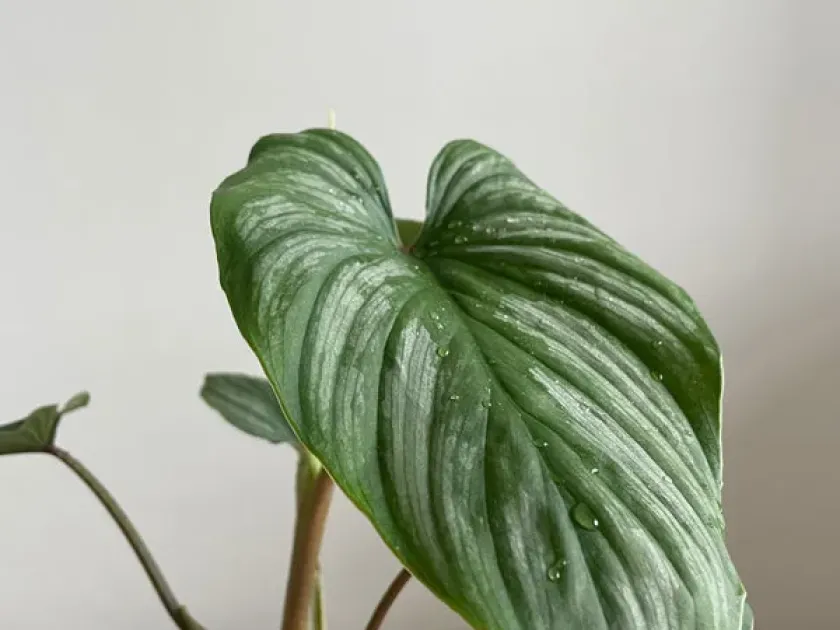
Philodendron mamei belongs to the Araceae family and is native to the rainforests of Ecuador. This species is highly valued for its large, heart-shaped leaves characterized by striking silver variegation.
The plant thrives in bright, indirect light. Direct sunlight is harmful as it scorches the foliage, while insufficient light leads to the loss of its signature silver patterns and slower growth.
Ideal soil requirements include a well-draining, airy substrate. A mix of orchid bark, perlite, and high-quality peat moss is recommended to ensure adequate oxygen flow to the root system.
Climate conditions must replicate a tropical environment, with humidity levels ideally staying above 60%. Regular misting or the use of an automatic humidifier is necessary for optimal development.
Watering should be performed when the top 3-5 centimeters of the substrate are dry. It is essential to ensure that the pot has proper drainage holes to prevent water accumulation at the bottom.
Main diseases and pests
Common pests affecting Philodendron mamei include spider mites and mealybugs. These thrive in dry indoor environments and target the tender undersides of the leaves.
Root rot, often caused by overwatering or compacted soil, remains the most significant threat to the plant's longevity and health.
Fungal infections, which manifest as dark spots on the leaf surface, can often be traced back to poor air circulation and excessive foliage dampness.
Integrated pest management involves regular leaf inspection and cleaning, supplemented by the application of organic neem oil or systemic insecticides if infestations occur.
Maintaining high hygiene standards by cleaning the growing area and using sterilized tools for pruning is vital for disease prevention in this species.