
Philodendron lupinum
Philodendron lupinum
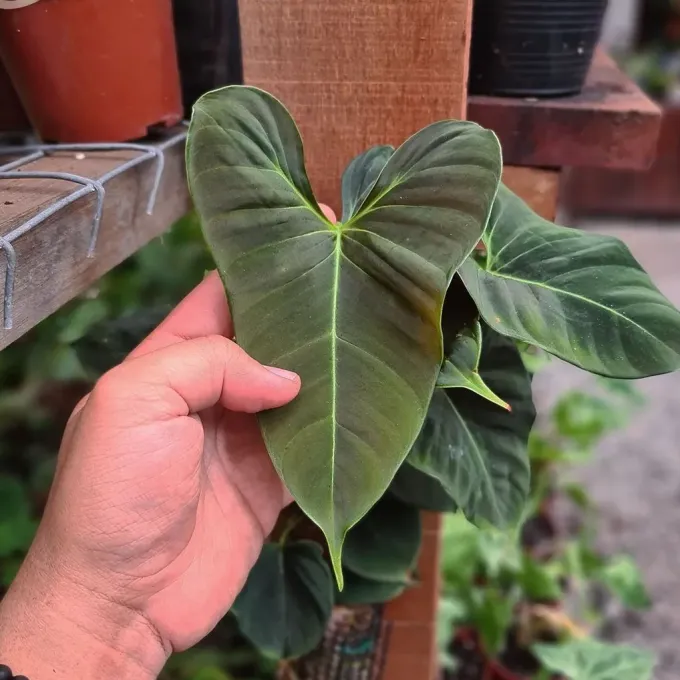
Description
Growing requirements
Philodendron lupinum is a member of the Araceae family, native to the tropical rainforests of South America, primarily within river basins. This plant is classified as a hemiepiphytic vine, characterized by rapid vegetative growth when provided with adequate structural support.
The crop requires specific temperature conditions to thrive, with an optimal range between +22 and +28 °C during the active growing season. Temperatures falling below +15 °C are critical, often resulting in metabolic slowdown and potential damage to the root system.
High relative humidity, ideally between 70% and 85%, is essential for successful cultivation. Dry ambient air often leads to decreased ornamental quality, manifesting as leaf deformation and marginal necrosis.
The substrate must provide superior aeration and drainage properties. An ideal mixture includes peat moss, pine bark, charcoal, and sphagnum moss to mimic the natural forest floor environment effectively.
Diffuse lighting is preferred for this species, as direct sun exposure can cause significant thermal damage to the leaf blades. Insufficient light levels will lead to reduced growth rates and elongated internodes.
Main diseases and pests
Spider mites and scale insects represent the most significant pest threats, proliferating rapidly when humidity levels are not properly managed. Preventive measures involve regular inspection of leaf axils and maintaining optimal microclimate conditions.
Root rot is a major risk factor caused by overwatering and poor drainage within the potting vessel. The development of these pathogens is significantly exacerbated by waterlogging the substrate.
Fungal infections, such as Phytophthora, may manifest as necrotic spots on the foliage. Management of such outbreaks requires the application of systemic fungicides to ensure plant recovery.
Improper agronomic practices may result in physiological disorders, including chlorosis caused by micronutrient deficiencies. Consistent feeding with balanced fertilizers is necessary to bolster the plant's overall resistance.
Strict quarantine measures should be applied when introducing new specimens into an existing collection. Removing symptomatic tissues promptly is vital to prevent the spread of pathogens throughout the crop.