
Philodendron lingulatum
Philodendron lingulatum
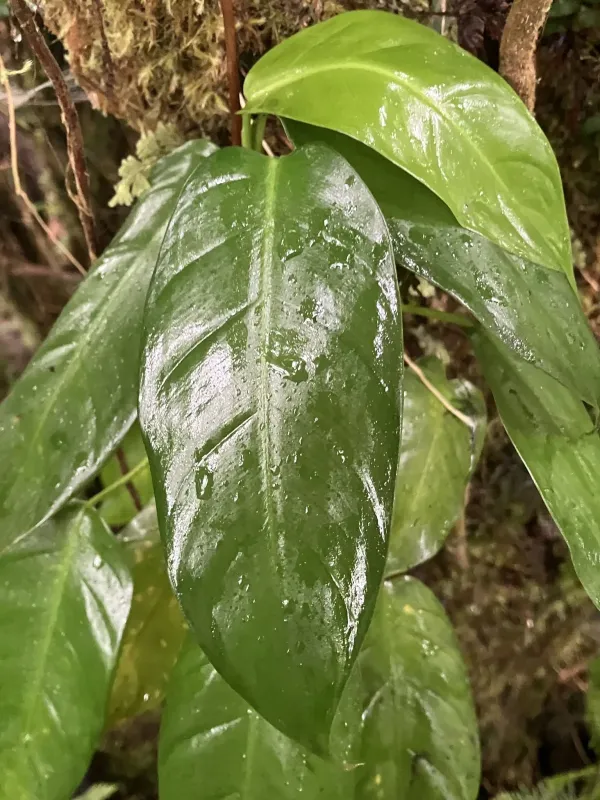
Description
Growing requirements
Philodendron lingulatum is a perennial climbing vine belonging to the Araceae family. This species is native to the tropical rainforests of Central and South America, where it typically thrives in the understory of dense forests.
To ensure optimal development, the crop requires a tropical climate with temperatures ranging between 20°C and 27°C. It is highly sensitive to cold temperatures and should be protected from any drafts or sudden thermal shifts.
The soil requirements focus on high organic matter content and excellent drainage. A mix comprising peat, coconut coir, bark, and perlite provides the ideal structural integrity for healthy root system expansion.
Regarding light, this plant prefers bright, indirect light conditions. Excessive exposure to direct sun rays causes leaf chlorosis and tissue necrosis, reducing the aesthetic and commercial value of the specimen.
Water management is critical for the survival of the culture. Irrigation should be consistent, ensuring that the substrate maintains moderate moisture, though waterlogging must be strictly avoided to prevent root decay.
Main diseases and pests
Common pests affecting this species include spider mites, mealybugs, and aphids, which frequently target the soft tissues of the leaves and stems in indoor environments.
Pathogenic threats include various root rots and leaf spot diseases caused by fungi such as Phytophthora or Rhizoctonia, often resulting from poor aeration or excessive humidity.
Integrated pest management protocols, including the application of neem oil or targeted insecticides, are recommended when infestations are detected during routine monitoring.
Preventive fungicide treatments can be effective when the plant is kept in high-density greenhouse conditions where moisture circulation is difficult to regulate perfectly.
Sanitation practices, such as removing senescent or diseased leaves, significantly reduce the inoculum pressure of pathogens and help maintain a healthy plant canopy.