
Philodendron laciniatum
Philodendron laciniatum
Description
Growing requirements
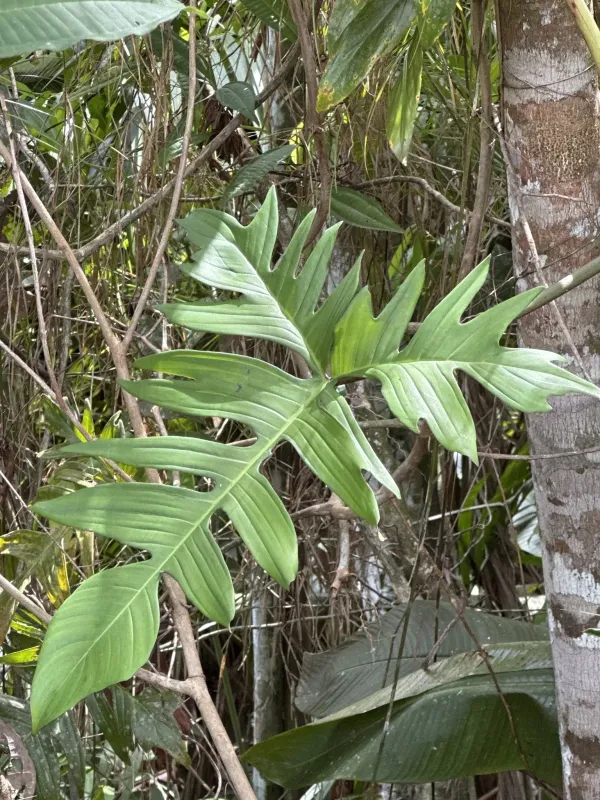
Philodendron laciniatum is a perennial evergreen vine belonging to the Araceae family. Native to the tropical regions of South America, this plant is well-known for its deeply lobed leaves and climbing growth habit in forest environments.
The plant requires a warm climate with temperatures consistently between 20 and 25 degrees Celsius. It thrives in high-humidity environments, making it essential to provide adequate misting or use a humidifier to prevent leaf tip browning.
Soil requirements focus on a well-draining, nutrient-rich substrate. A mix containing peat moss, pine bark, perlite, and organic compost ensures proper aeration, which is critical for preventing root rot and supporting vigorous growth.
Light exposure should be bright but indirect. While the plant can tolerate lower light levels, its growth rate will significantly decrease, and the beautiful leaf patterns may lose their vibrancy. Avoid harsh, direct afternoon sunlight.
Agrotechnical maintenance involves regular, balanced fertilization during the growing season. Using a liquid fertilizer specifically formulated for foliage plants every four to six weeks will provide the necessary nitrogen for leaf development.
Main diseases and pests
Common pests include spider mites, mealybugs, and aphids. These insects tend to thrive in dry, stagnant air, which highlights the importance of maintaining proper ventilation and hygiene around the plant.
Fungal issues, such as leaf spot or root rot, are often caused by improper watering practices. Keeping the soil waterlogged creates an anaerobic environment that quickly damages the sensitive root system of the Philodendron.
Bacterial wilt may occur if infected tools are used during pruning. It is vital to disinfect all cutting equipment before trimming dead or yellowing leaves to protect the overall health of the specimen.
Preventive care involves wiping the leaves regularly with a damp cloth to remove dust and discourage pest infestations. Early detection is key to successful management of any biological threat affecting this tropical vine.
Proper environmental management is the best defense against pests and diseases. By adjusting light, water, and humidity levels appropriately, the plant can maintain a strong immune system and flourish for many years.