
Philodendron lacerum
Philodendron lacerum
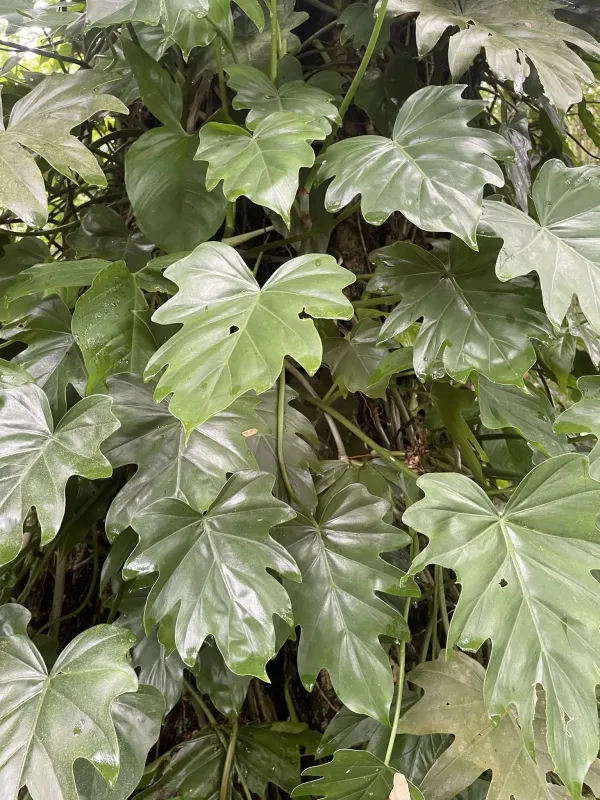
Description
Growing requirements
Philodendron lacerum is a distinctive species of climbing plant belonging to the Araceae family. Native to the Caribbean, particularly Cuba and Jamaica, this plant is valued for its deeply lobed, leathery foliage that adds a tropical aesthetic to indoor spaces.
This crop requires a warm, humid environment to flourish. It performs best in temperatures between 20°C and 27°C. Protecting the plant from cold drafts and sudden temperature fluctuations is critical to maintaining its lush green growth.
The substrate must be light, airy, and well-draining. An ideal potting mix consists of high-quality peat moss combined with perlite, orchid bark, and charcoal to mimic the epiphytic conditions of its natural habitat and prevent root compaction.
Bright, indirect light is essential for Philodendron lacerum. While it can tolerate lower light levels, bright indirect sun encourages the development of its signature leaf serrations and prevents the plant from becoming leggy and weak.
Moisture management is a key aspect of its agro-technology. The soil should be kept consistently moist but never waterlogged. Providing high ambient humidity, either through misting or a humidifier, helps prevent the browning of leaf edges common in dry indoor environments.
Main diseases and pests
The most common pests affecting Philodendron lacerum include spider mites, mealybugs, and scale insects. These pests often proliferate when the plant is stressed by low humidity or poor air circulation, necessitating regular monitoring and physical removal.
Bacterial and fungal issues, such as leaf spot or root rot, are usually the result of overwatering or poor drainage. To manage these threats, it is recommended to practice proper sanitation, ensure efficient drainage, and apply systemic fungicides if a persistent infection occurs.