
Philodendron hybrid
Philodendron hybrids
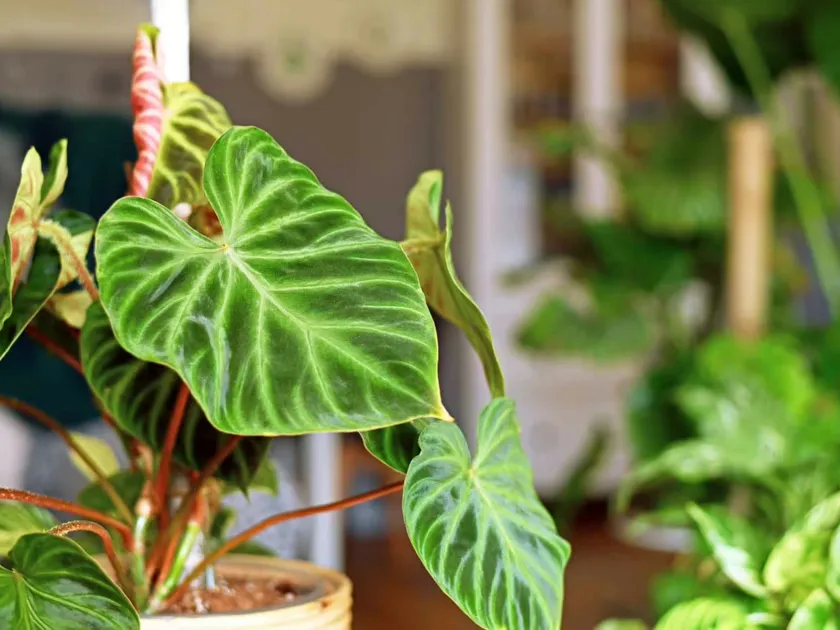
Description
Growing requirements
Philodendron hybrid represents a diverse group of evergreen perennial plants within the Araceae family. These varieties are specifically bred for enhanced ornamental characteristics, such as leaf shape, color variation, and vigor, making them popular in indoor horticulture.
Originating from the tropical regions of Central and South America, these hybrids are cultivated worldwide as decorative houseplants. They are favored for their ability to thrive in indoor environments that mimic the filtered light and high humidity of their native forest habitats.
Cultivation requires a well-draining, nutrient-rich potting medium with a slightly acidic pH. The mix should be airy, often incorporating ingredients like perlite, bark, and peat moss to ensure proper oxygenation of the roots and prevent waterlogging.
The optimal temperature range for growth is between +20°C and +25°C. Philodendrons are sensitive to cold drafts and temperatures falling below +15°C, which can cause significant stress, leaf yellowing, and growth stagnation.
Light requirements are best met with bright, indirect light. While they are known for their shade tolerance, consistent light levels are necessary to maintain vibrant foliage color and prevent the plant from becoming leggy or stretching towards the nearest light source.
Main diseases and pests
Common pests affecting philodendrons include spider mites, mealybugs, and scale insects. These pests often proliferate when indoor humidity is low, requiring regular monitoring and maintenance of appropriate environmental conditions.
Root rot, caused by fungal pathogens such as Pythium or Phytophthora, is the most common disease linked to poor drainage and overwatering. It manifests as wilting, browning of leaf edges, and a mushy appearance of the stem base.
Bacterial blight can also pose a threat, often appearing as dark, necrotic spots on the leaves. Infected plants should be isolated immediately, with diseased foliage pruned using sterile tools to prevent the further spread of the infection.
Good cultural practices, including avoiding overhead watering and ensuring proper air circulation, significantly reduce the incidence of foliar diseases. Regular inspection of the underside of leaves is recommended for early detection of pest activity.
Effective pest management involves using insecticidal soaps or neem oil solutions when infestations occur. Maintaining the overall health and vigor of the plant through proper feeding and watering schedules remains the most effective defense against various threats.