
Philodendron hastatum
Philodendron hastatum
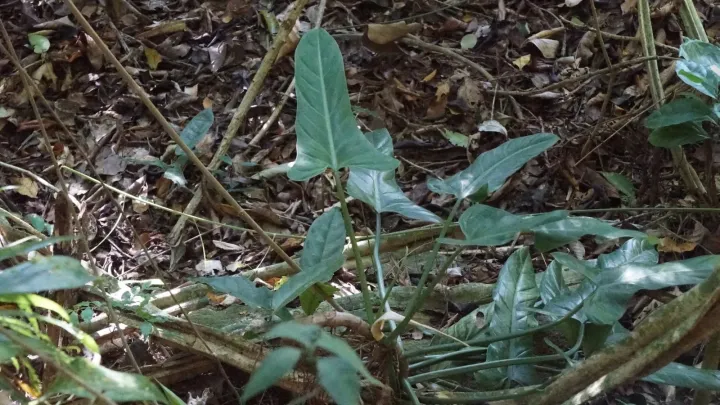
Description
Growing requirements
Philodendron hastatum is a stunning species within the Araceae family, native to the tropical rainforests of Brazil. Known for its distinct hastate (spear-shaped) leaves, it serves as an excellent specimen for interior landscaping.
This plant thrives in tropical conditions, requiring a consistent temperature between 65°F and 80°F. Exposure to temperatures below 55°F can cause physiological damage and growth stagnation.
The ideal potting medium should be porous and rich in organic matter. A mixture consisting of peat moss, pine bark, and perlite provides the necessary aeration and moisture retention for healthy root development.
Philodendron hastatum requires bright, indirect light to maintain its robust structure. While it can tolerate lower light levels, direct sunlight must be avoided as it can cause severe leaf scorch and tissue damage.
High humidity is essential for the longevity of the foliage. Maintaining an ambient humidity level above 60% mimics the plant's natural environment and prevents the edges of the leaves from drying out and turning brown.
Main diseases and pests
Spider mites are a persistent threat to this culture, especially during winter months when indoor heating causes air humidity to drop significantly.
Root rot is the most common pathology associated with overwatering or poor drainage. Symptoms include wilting, yellowing of the lower leaves, and a mushy texture at the base of the stems.
Mealybugs are known to colonize the junctions between stems and petioles, feeding on plant sap and weakening the overall vigor of the host plant.
Thrips may infest the leaves, causing stippling, silvering, and abnormal growth patterns. Early detection is key to managing these pests before they spread to other nearby specimens.
Effective management includes regular cleaning of the leaf surfaces, proper watering techniques, and the use of targeted biological or chemical control agents when pest populations exceed the threshold.